Welcome to Acorn Class!
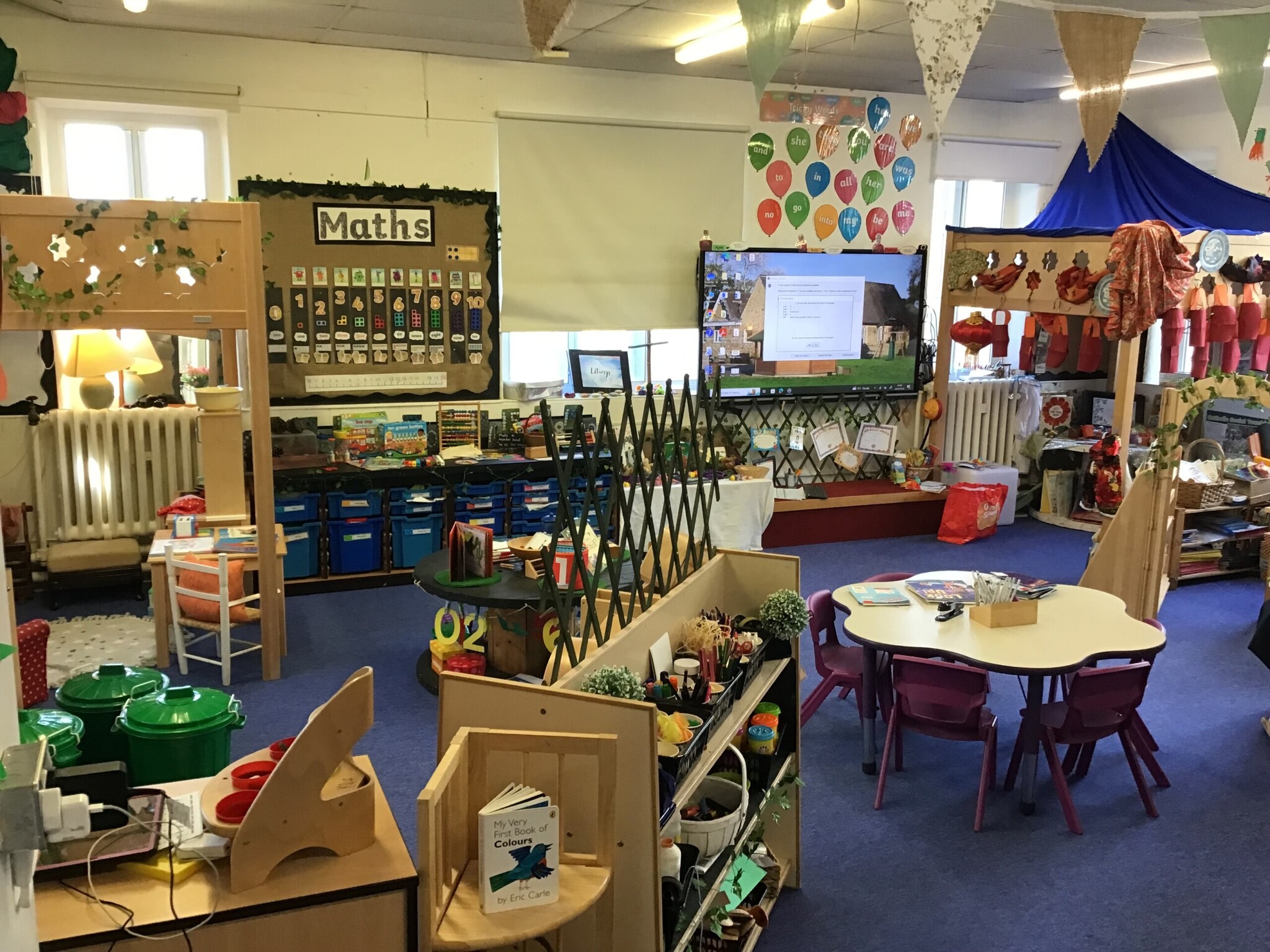
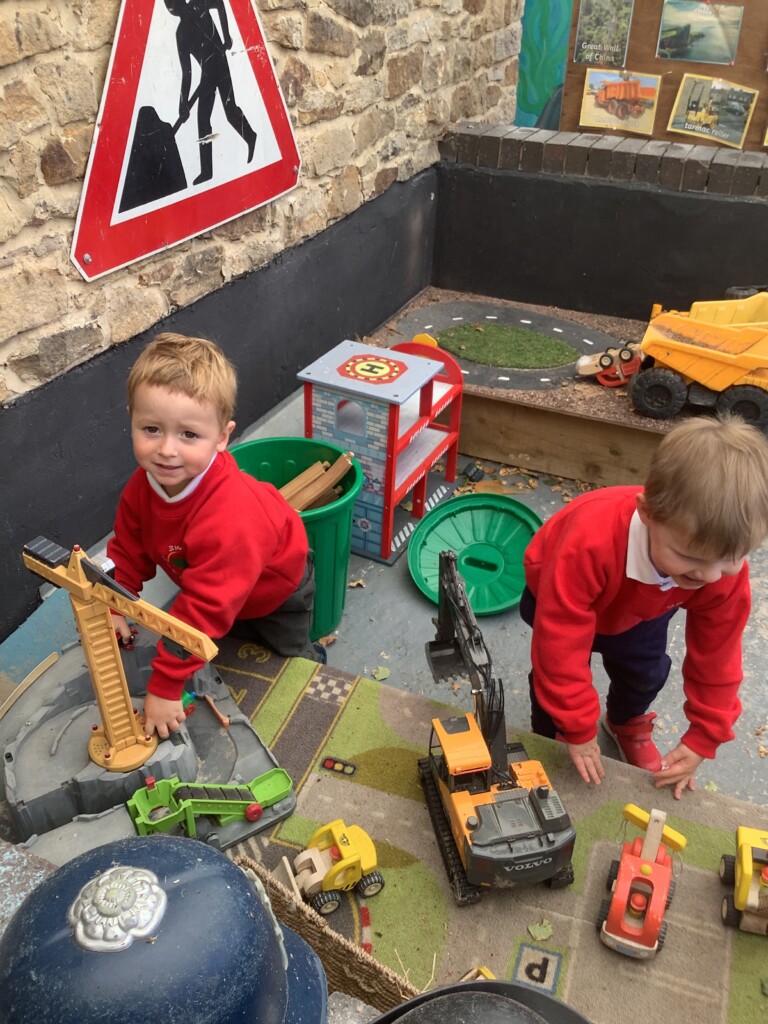
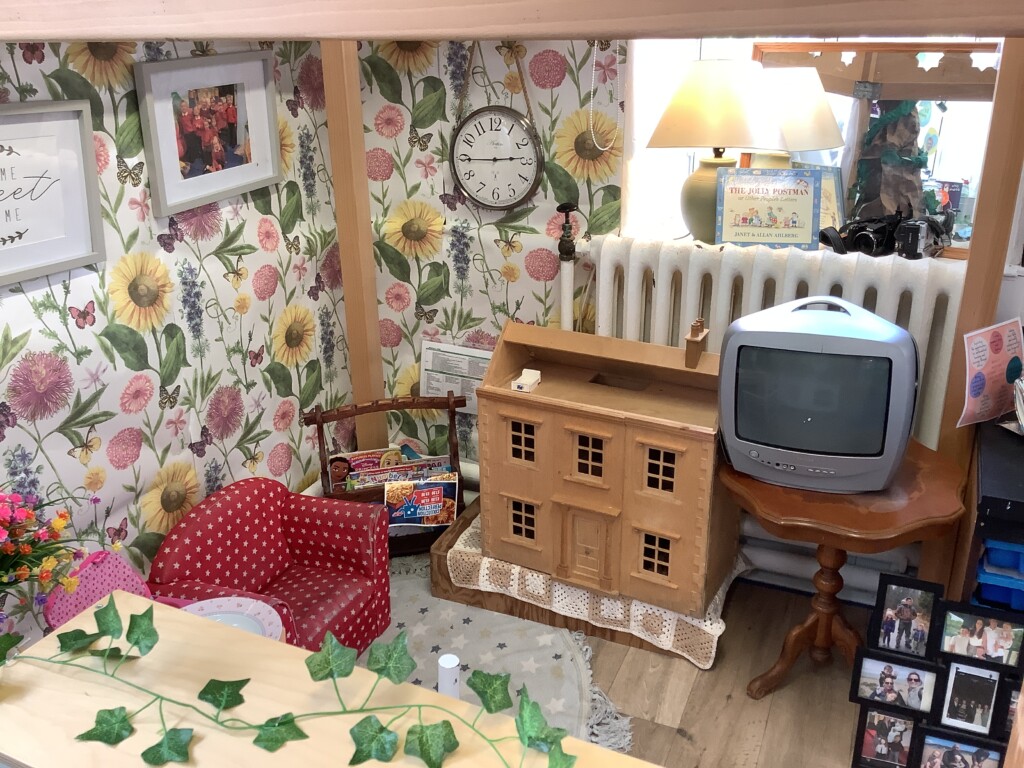
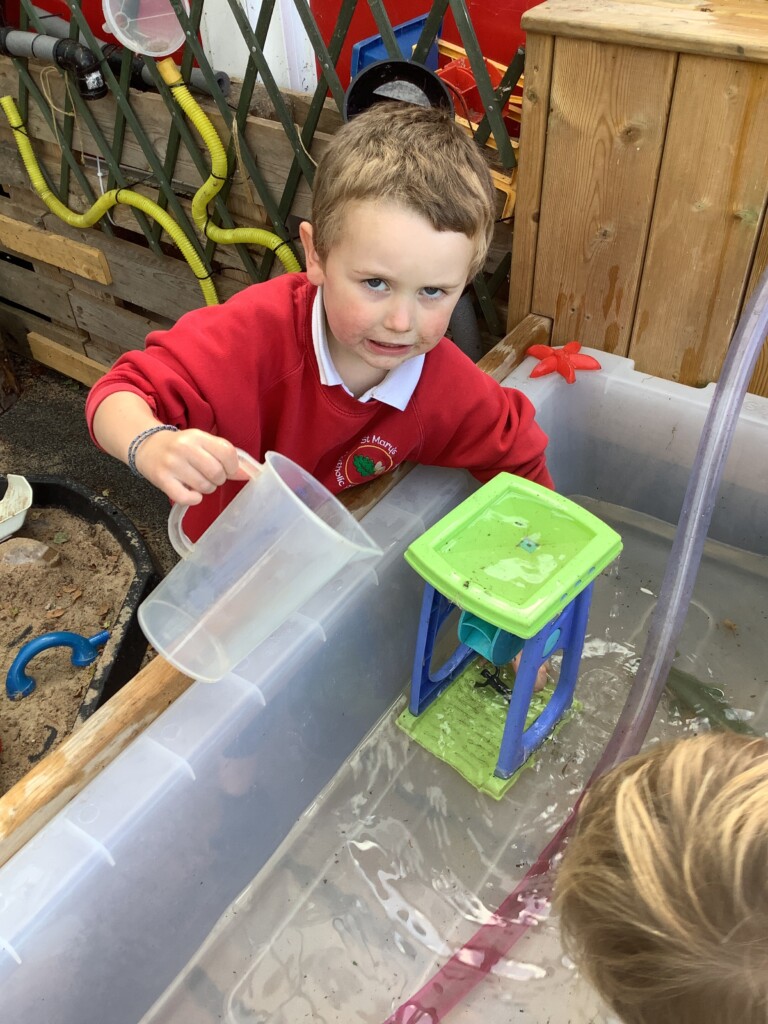
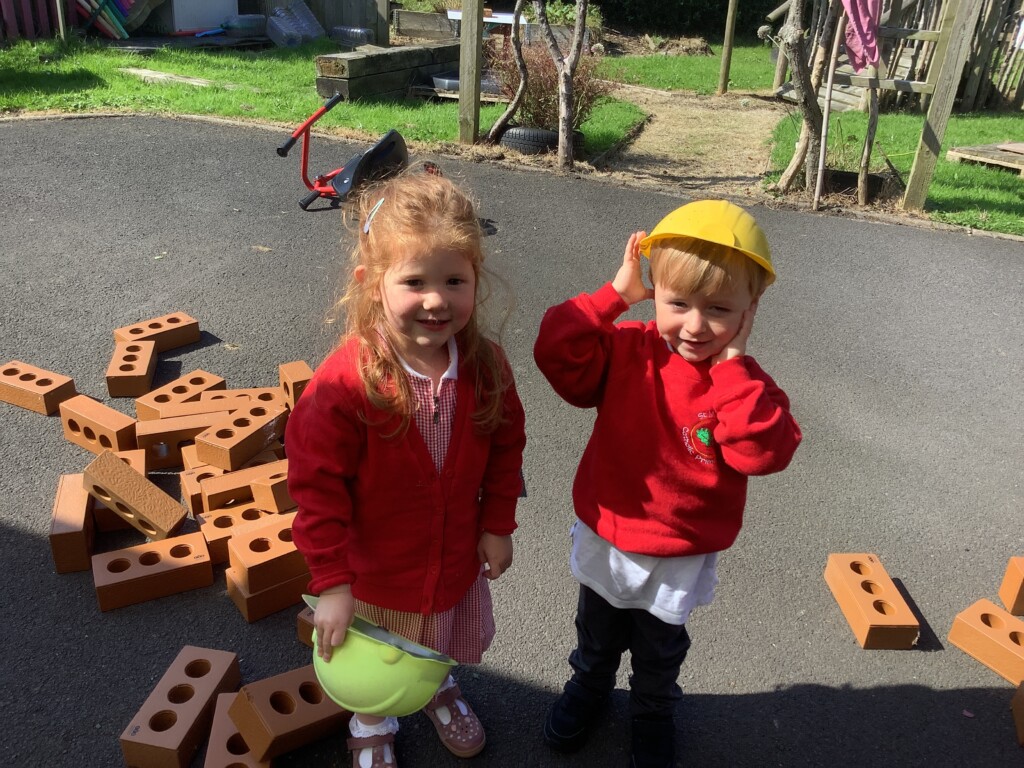
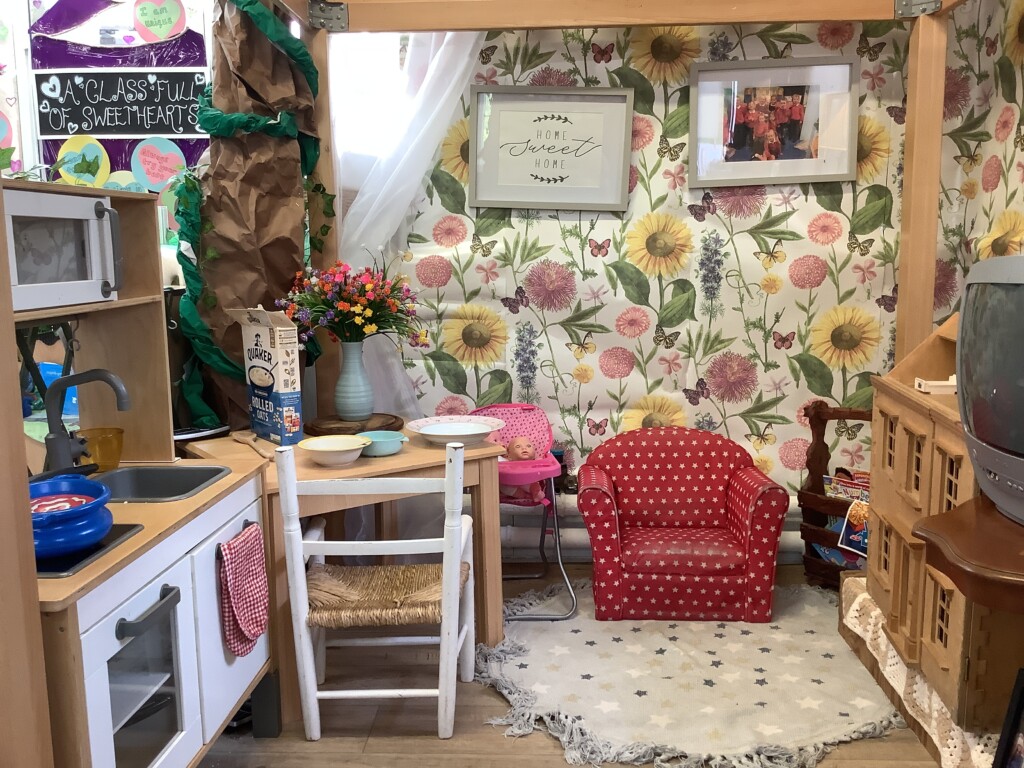
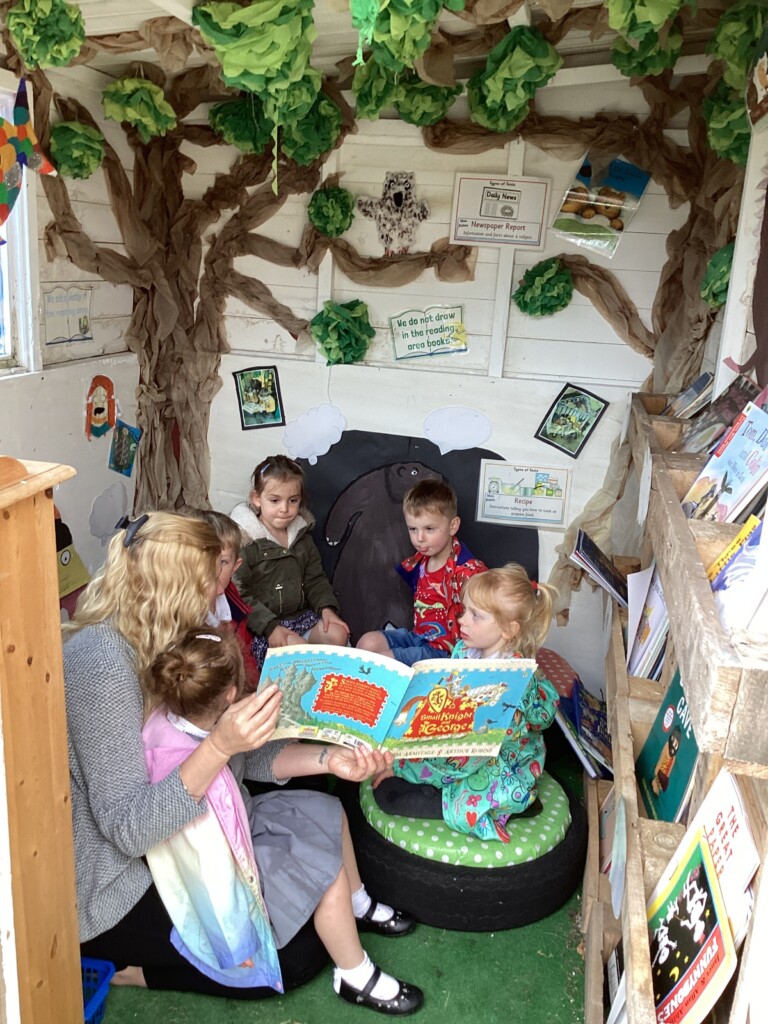
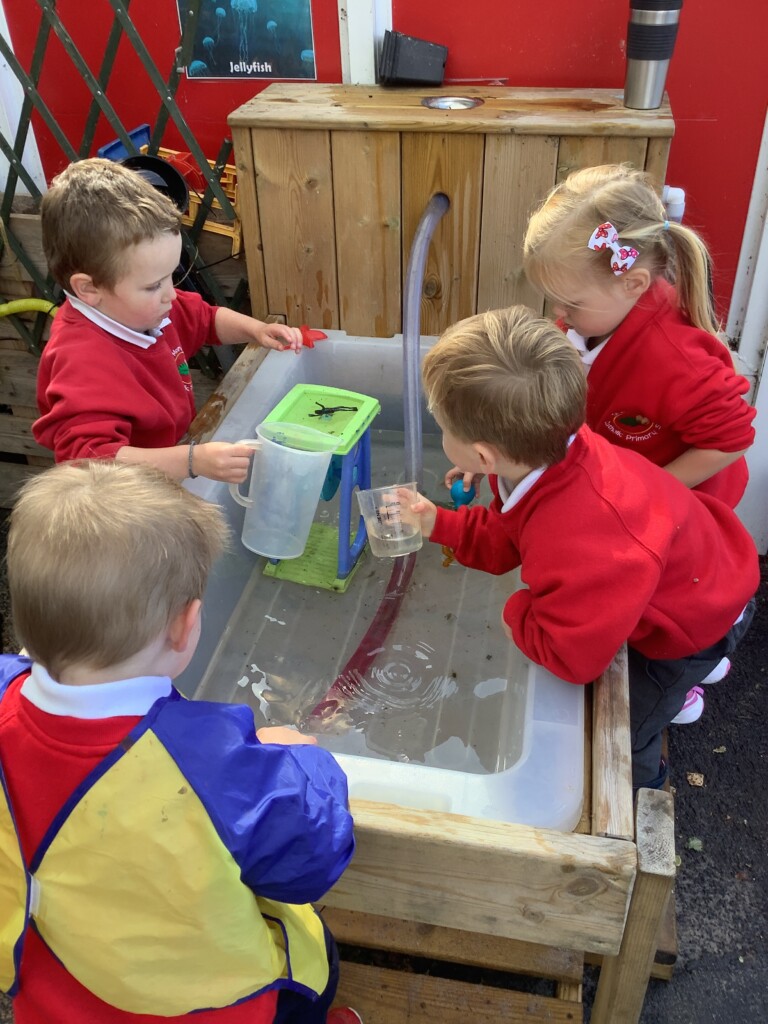
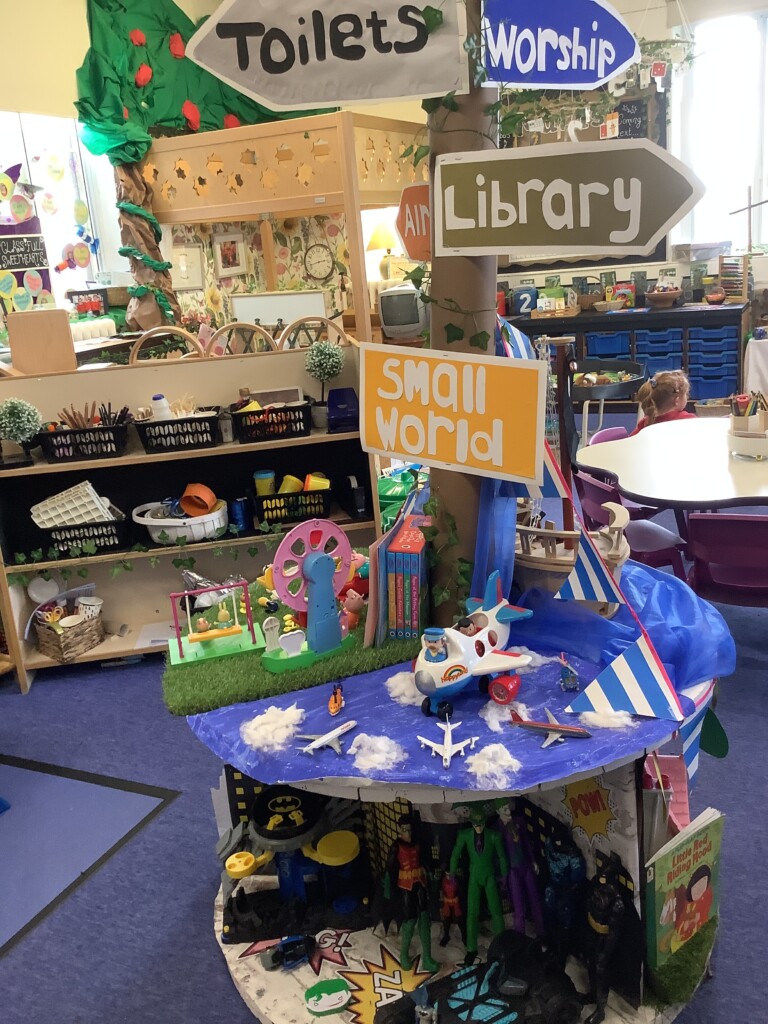
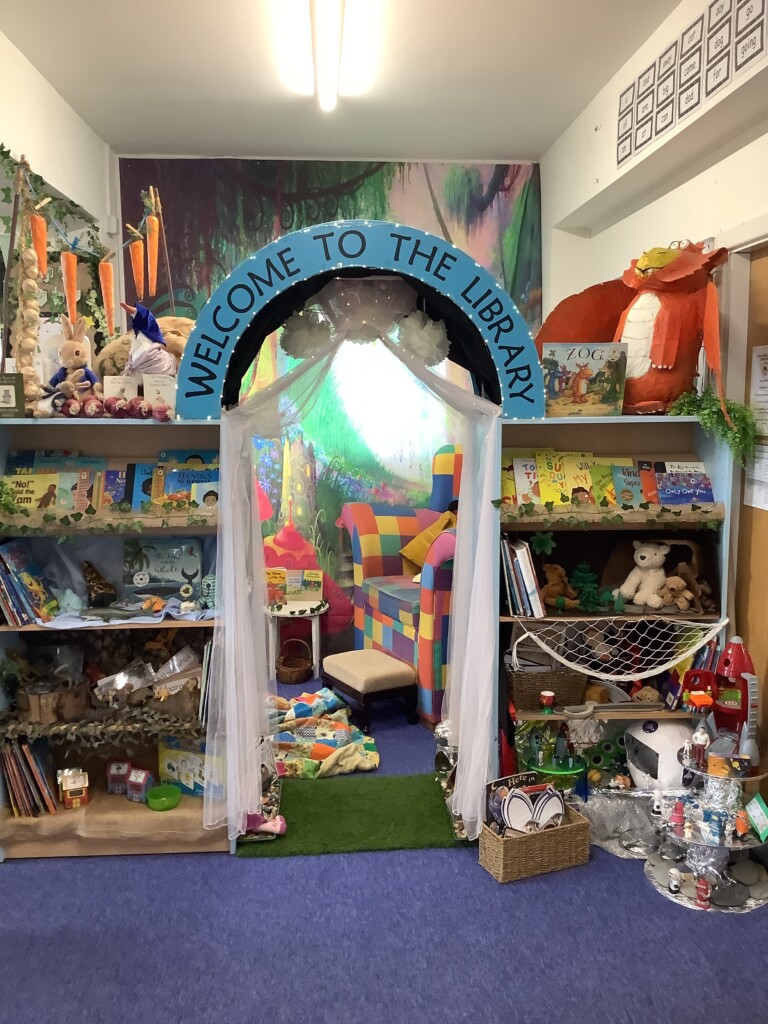
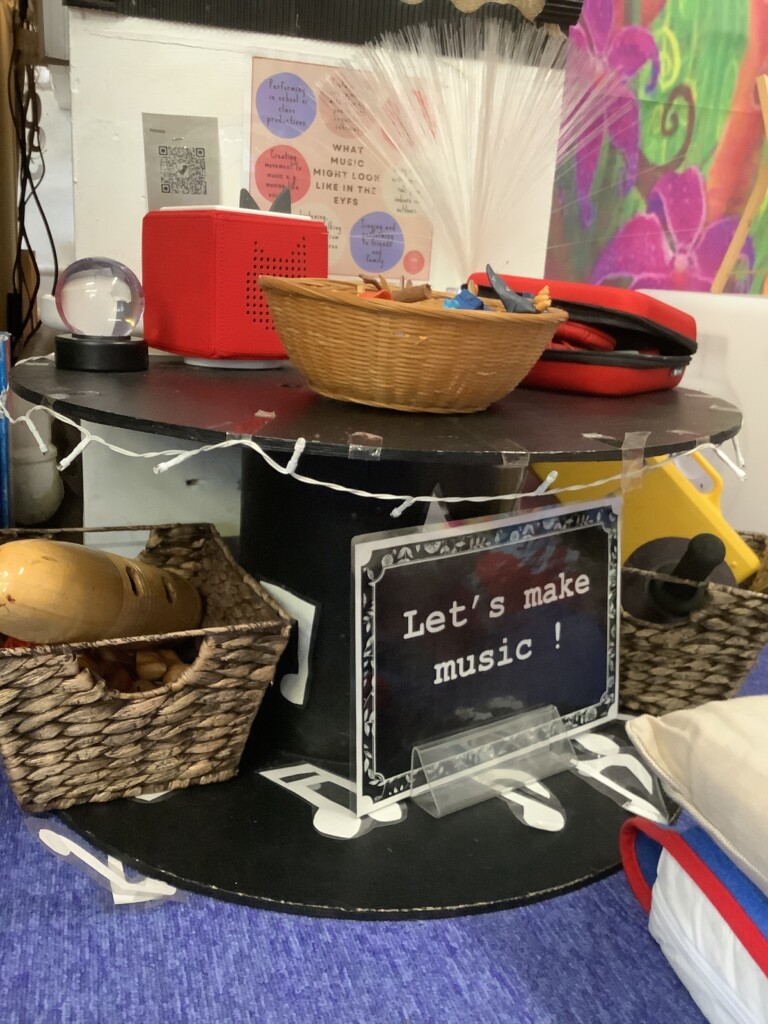
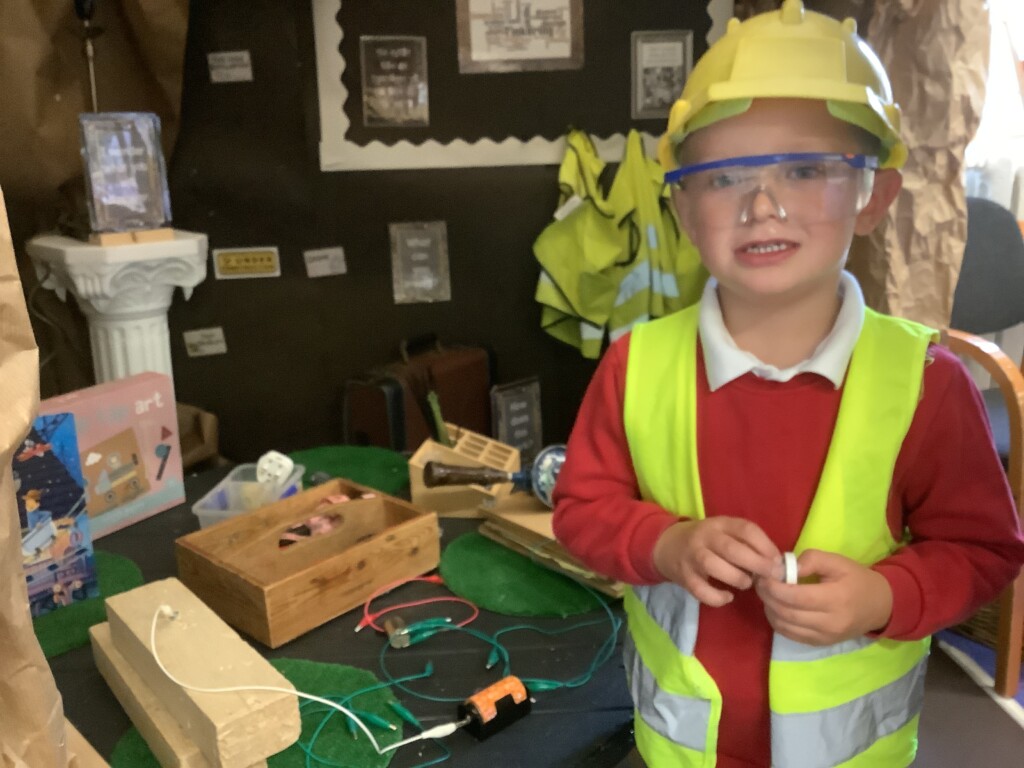
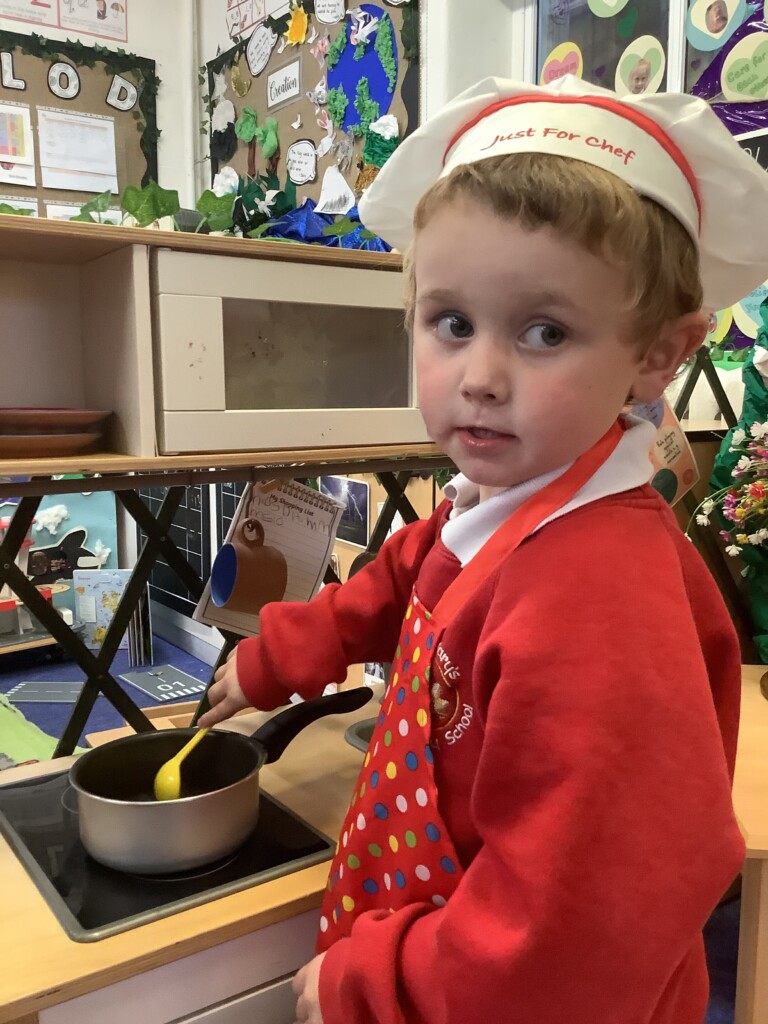
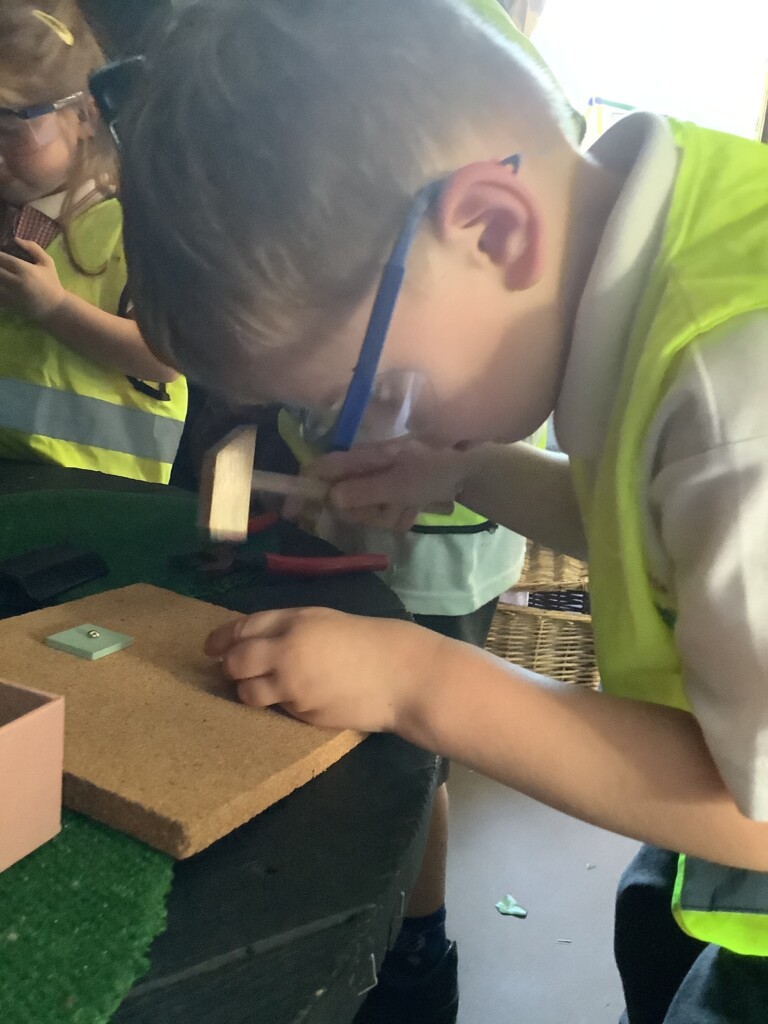
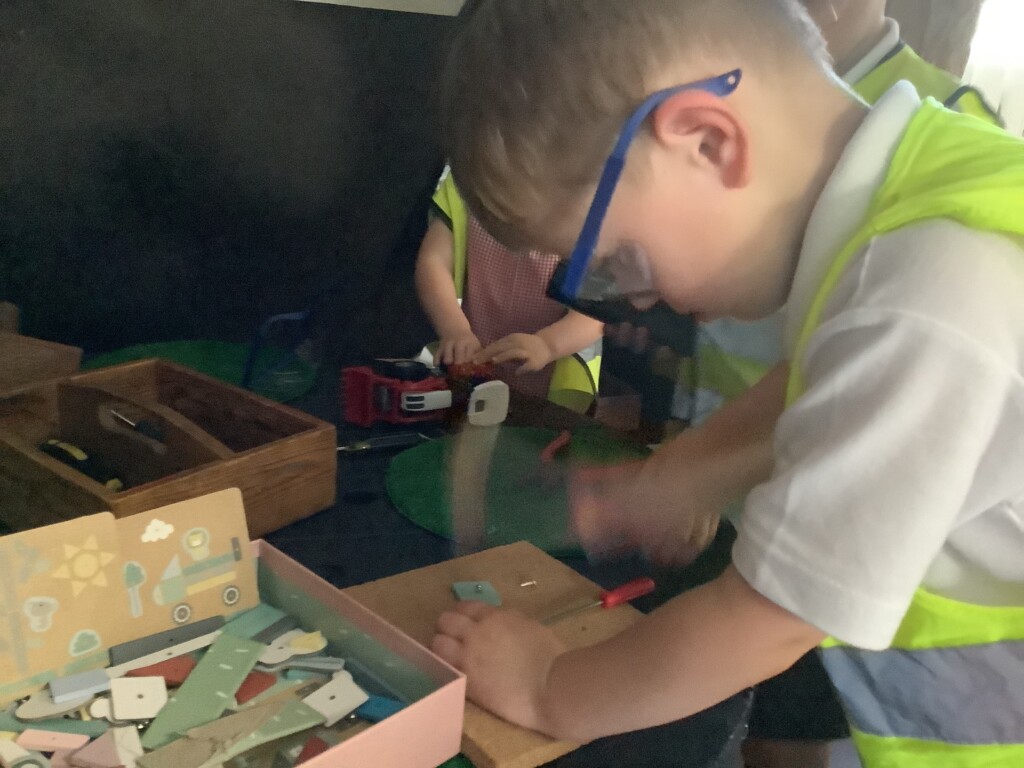
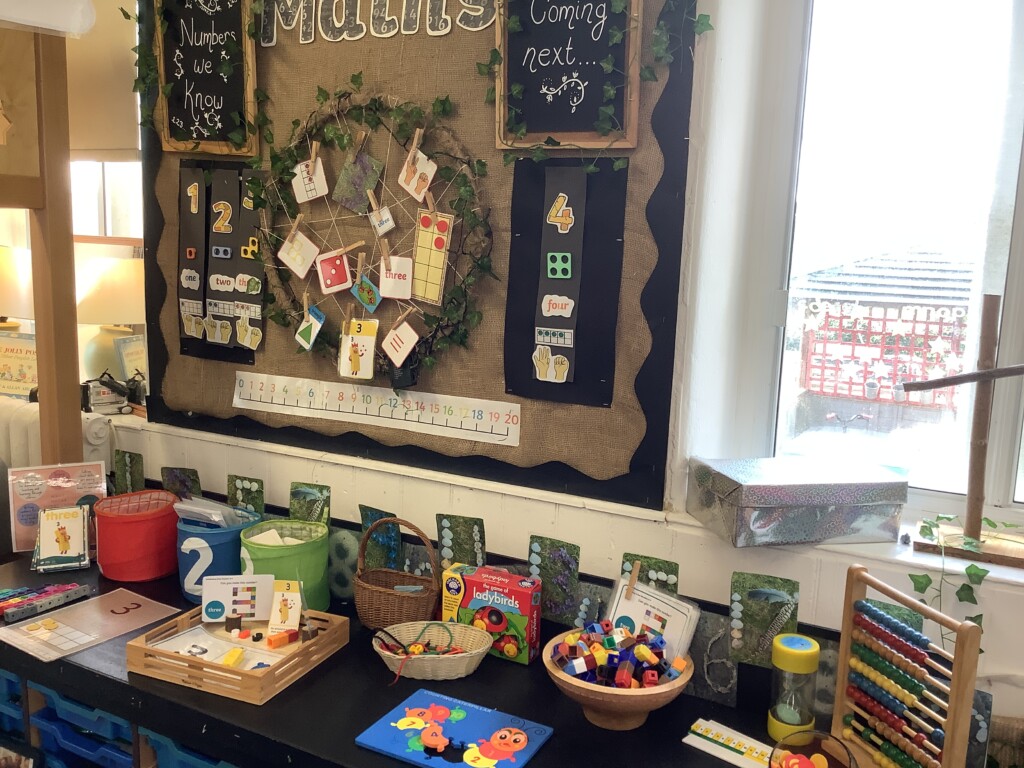
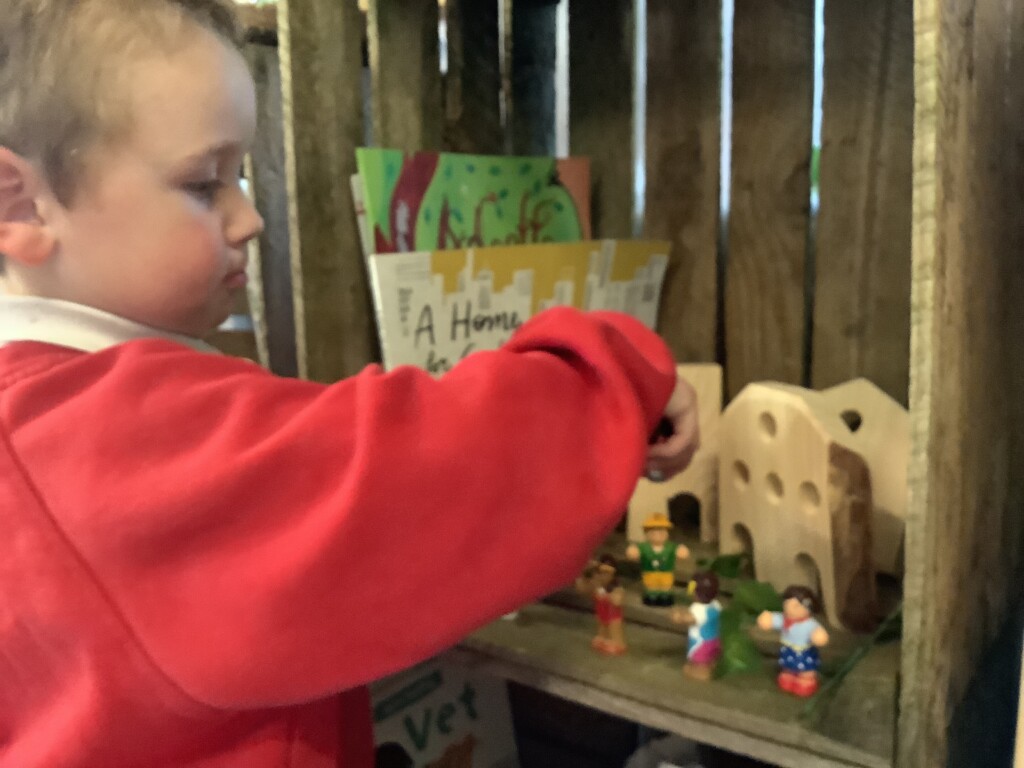
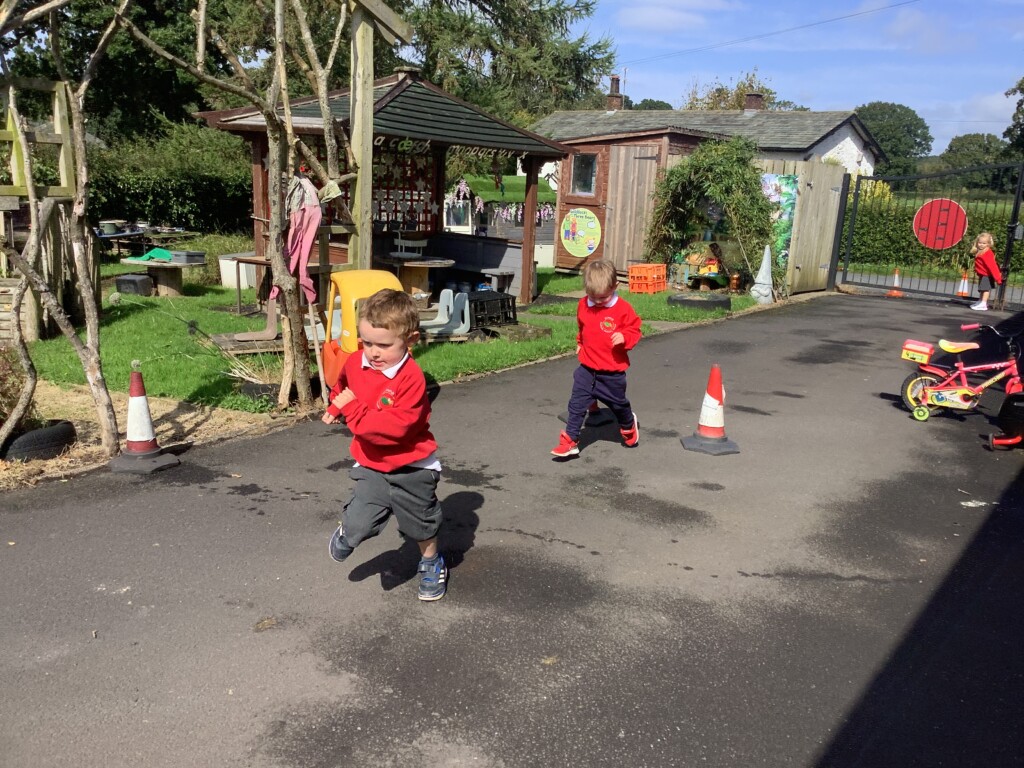
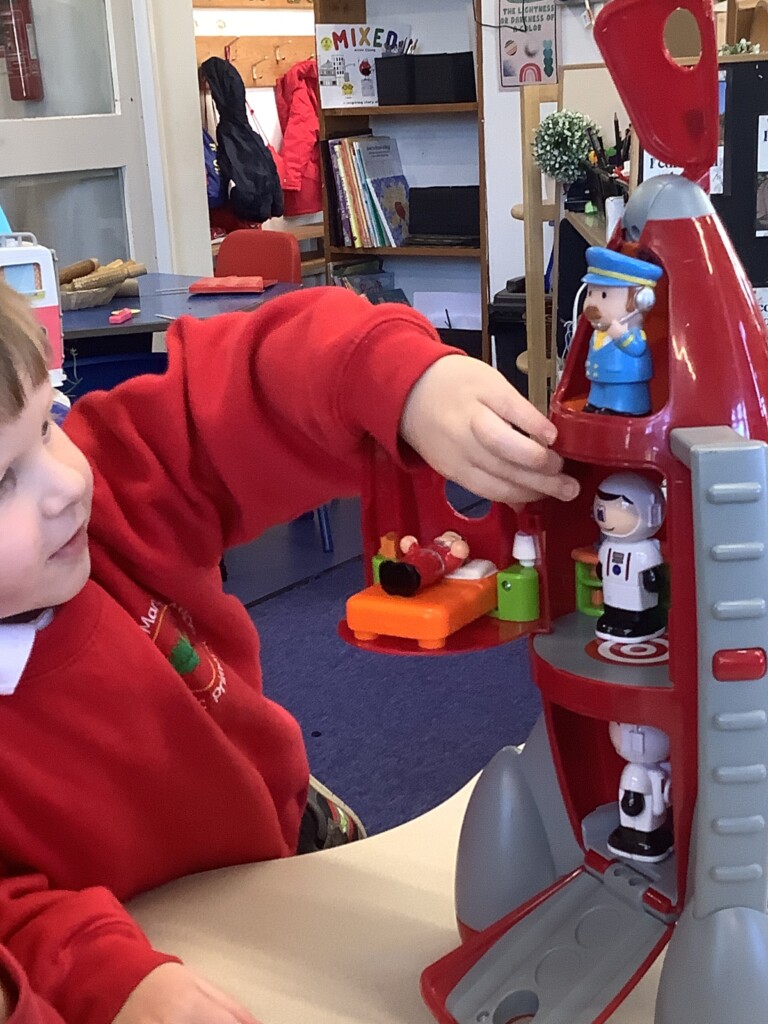
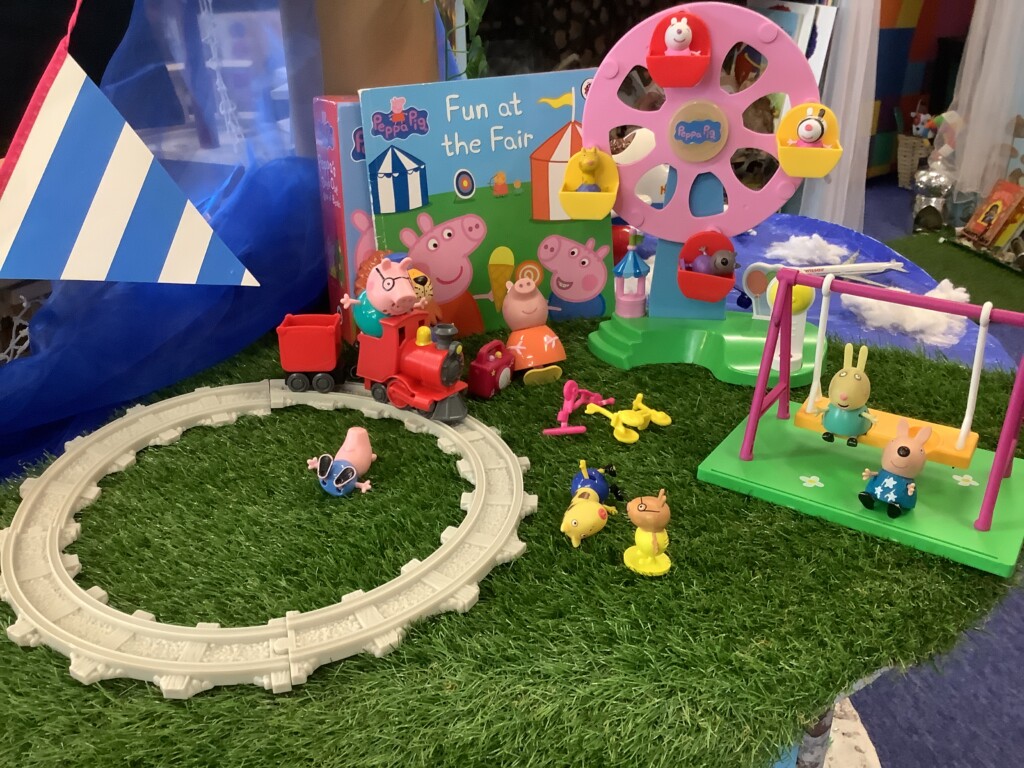
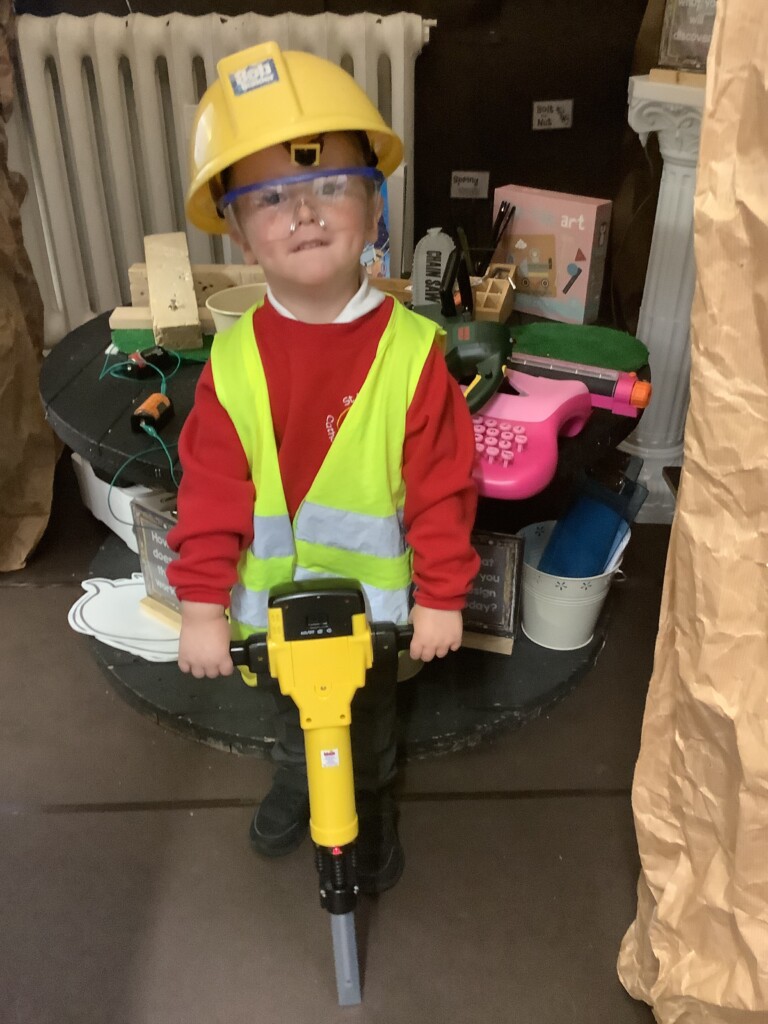
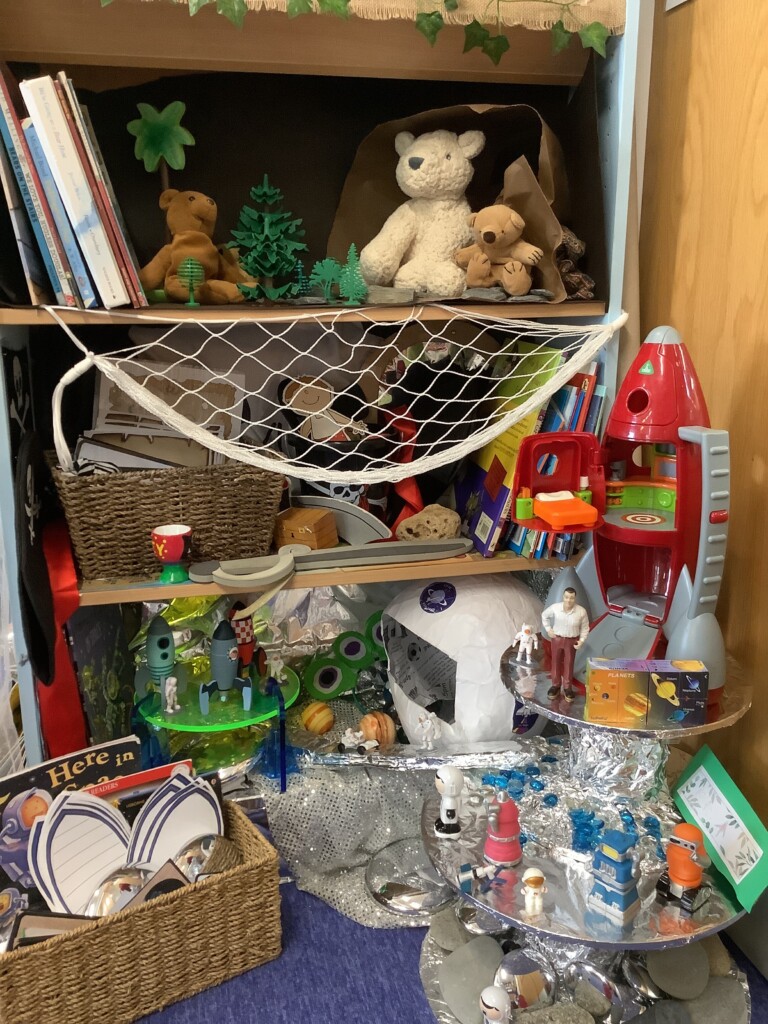
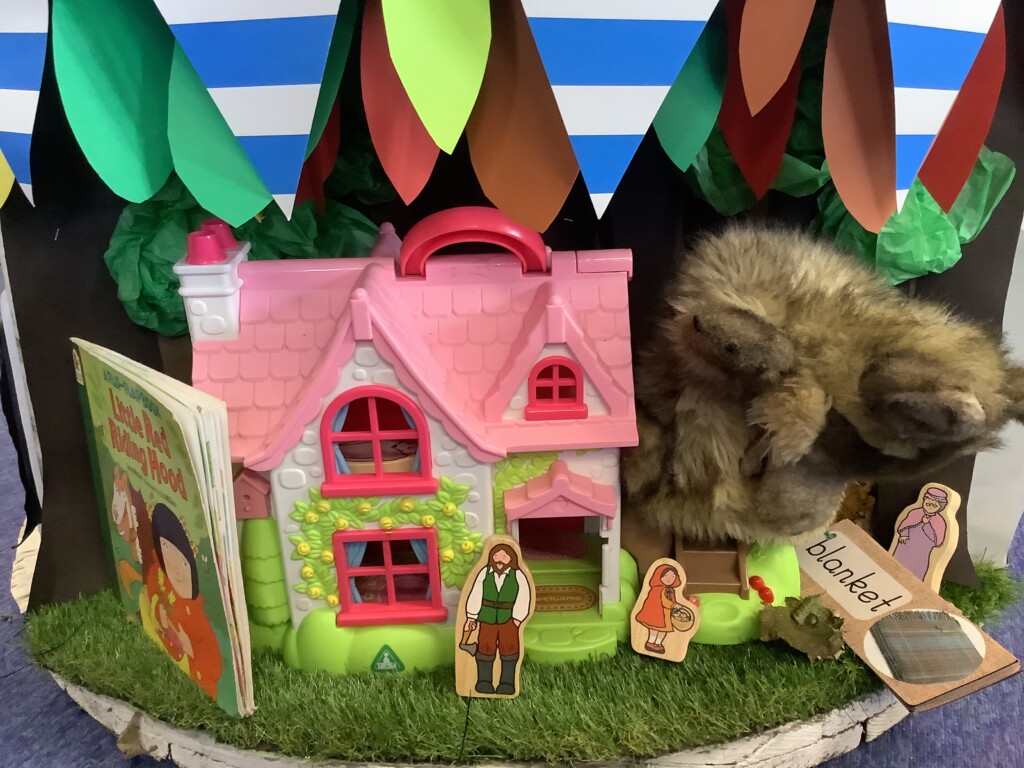
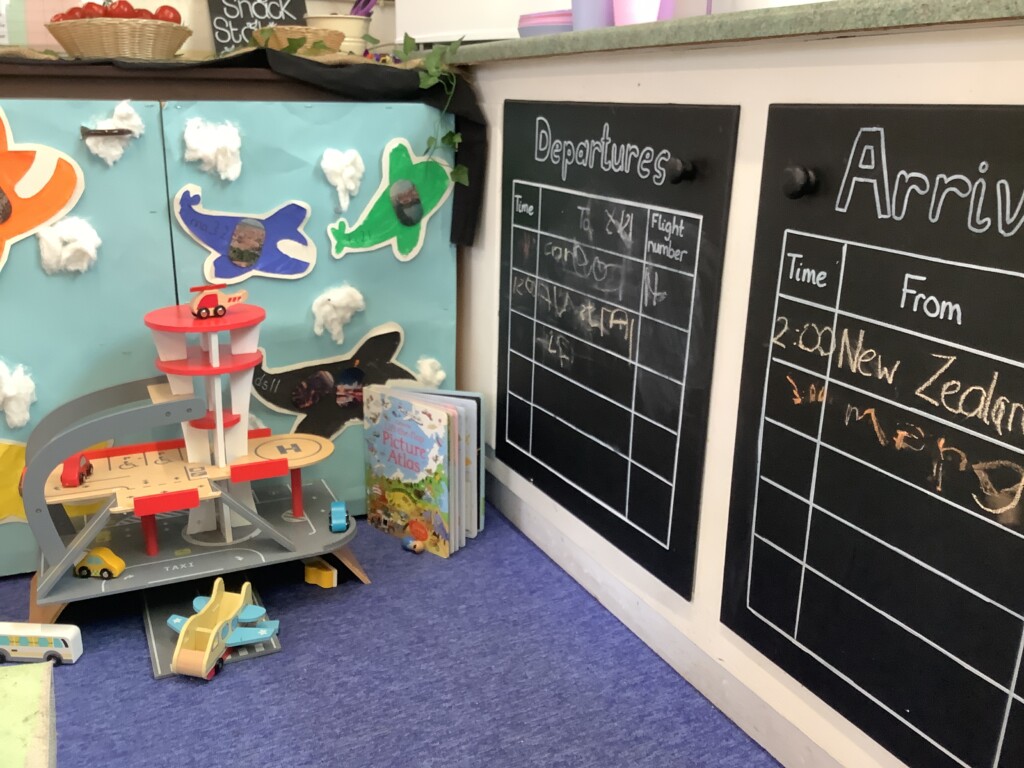
In 2020, we decided the children in EYFS needed the most incredible continuous provision areas, indoor and outdoors! All the staff and family members of staff came together to create the amazing outdoor area, including a reading shed, art studio, rickety bridge, planting areas, the Claughton Creamy Mud Kitchen and the Rabbit Warren! In Spring Term 2024, we welcomed pre-school children to Reception Class and we moved some classrooms to create bespoke learning environments for EyFS and the infants. Come and have a look around!
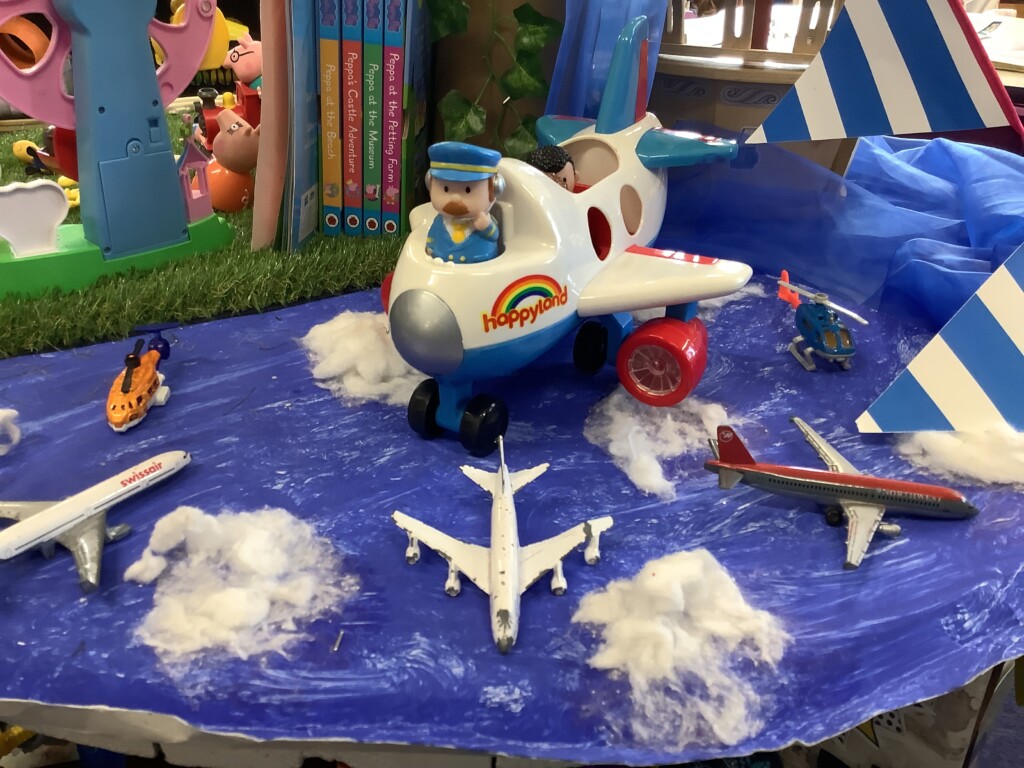
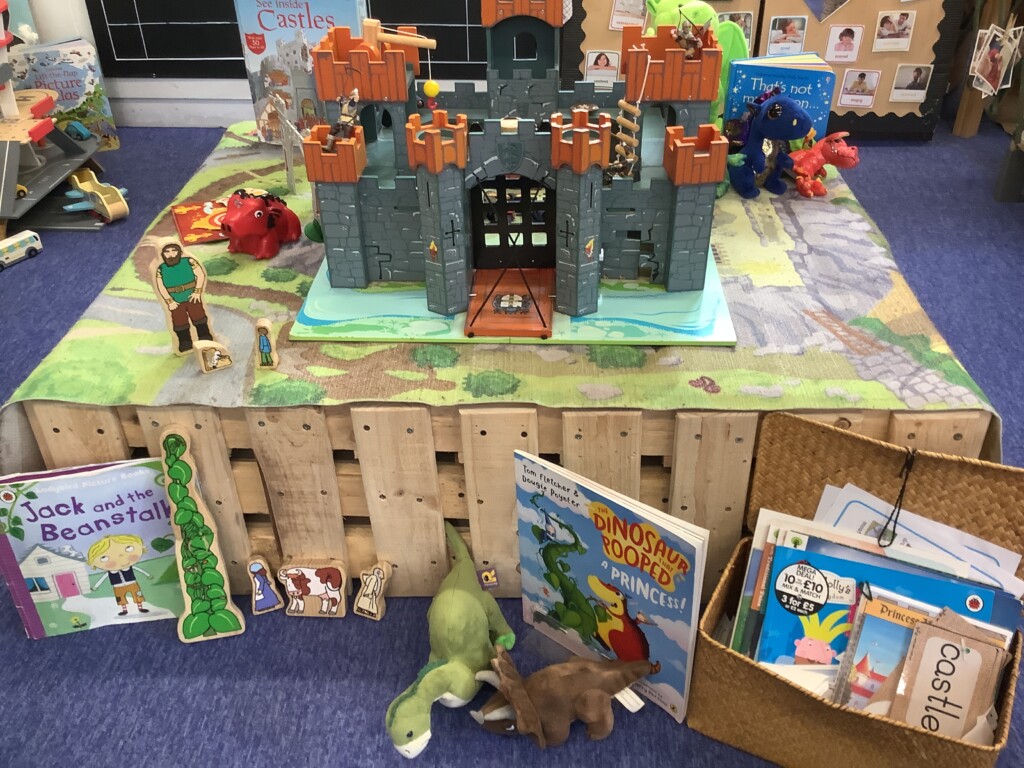
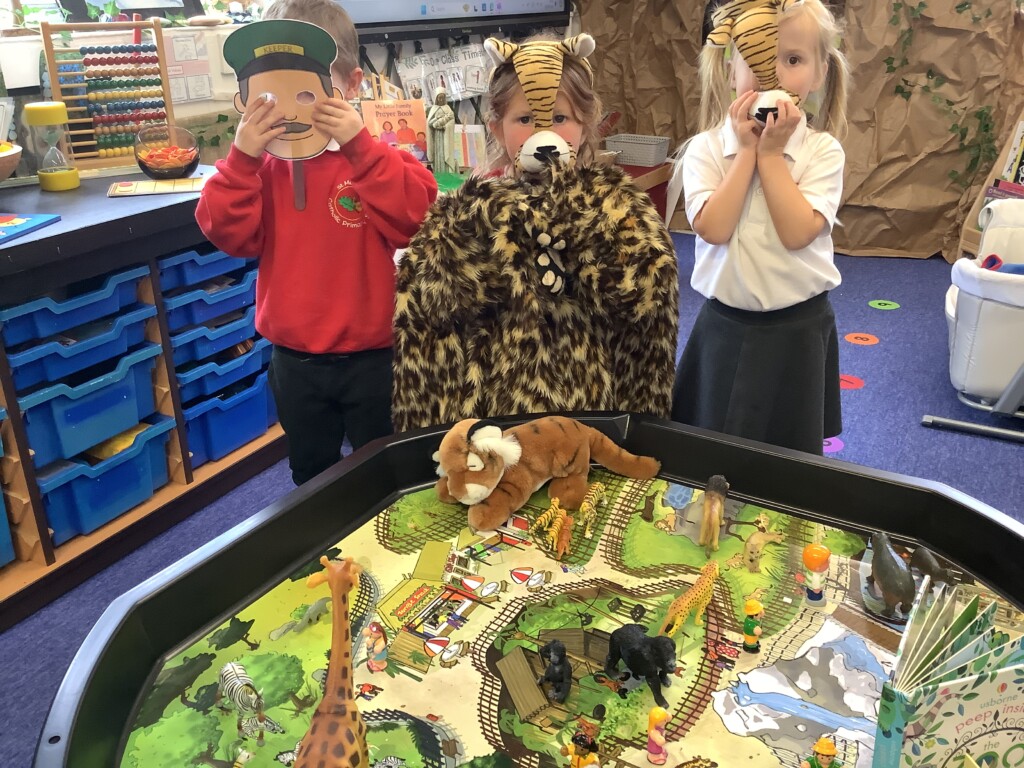
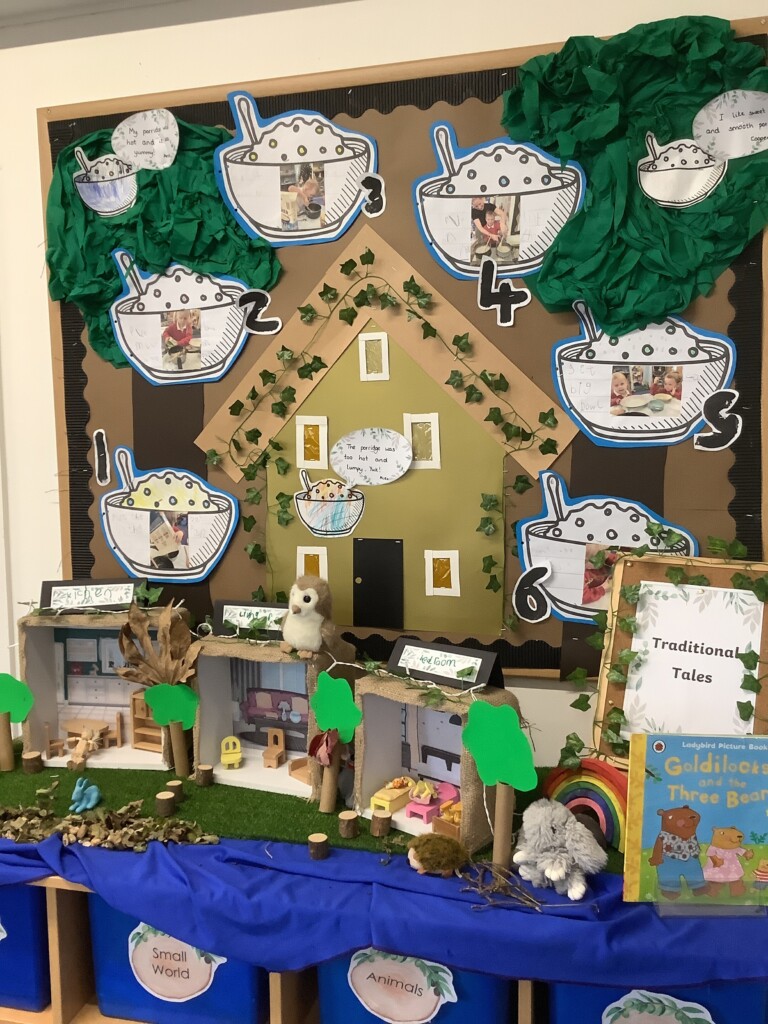
Mrs Byrne and Mrs Gornall work their magic in EYFS creating outstanding areas linked to each child’s development with a curriculum theme! The children instigate many topics as they learn best when they are motivated and engaged. We plan with the children to ensure that we listen to their ideas and follow their interests using PLOD planning. Each topic is linked to an author study. Using our knowledge of the children, we merge their individual next step targets of development with our topics so as to keep moving forwards. Targets come from ‘Development Matters’.
EYFS at St. Mary’s Claughton
The Statutory framework for the Early Years Foundation Stage sets the standards for learning, development and care for children from birth to 5 years.
Intent:
Our intent is to give each unique child a high-quality early education with high quality care. This is delivered within a safe and nurturing environment which makes a powerful contribution to children’s wellbeing, development and learning.
Play, both indoors and outdoors, is rich and we aim to ignite curiosity, awe and wonder of the world to develop the whole child. We provide a stimulating environment that provides exciting opportunities, promotes challenge, exploration, adventure, inclusion and a real love of learning for every child to feel success and happiness.
Every child is recognised as a remarkable individual with a diverse range of experiences and starting points. We celebrate and welcome differences within our school community and we work in partnership with parents and carers to encourage independent, happy learners who thrive in school and reach their full potential from their various starting points.
The ability to learn is underpinned by the teaching of basic skills, knowledge, concepts and values. We provide enhancement opportunities to engage learning and believe that our first experiences of school should be happy and positive, enabling us to develop a lifelong love of learning. We plan with the children and adapt our environment by discovering new lines of development together (PLOD planning) to keep learning exciting and engaging.
The curriculum is flexible, ambitious and carefully sequenced. Adults ‘scaffold’ children’s’ learning, modelling new skills and by giving them just enough help to achieve something they could not do independently. Teaching and exploring new vocabulary has high importance and stimulating experiences develop their communication skills. As such, there is a strong emphasis on the Prime Areas of learning; Personal, Social and Emotional Development and Communication and Language.
Our aim is to build on what the children already know and can do. Every child can make progress, if they are given the right support. When we give every child the best start in their early years, we give them what they need today. We also set them up with every chance of success tomorrow.
Children in our Early Years Foundation Stage follow the Early Years Foundation Stage Curriculum (EYFS). We use “Development Matters” and “Birth to 5 matters” as our guidance for checkpoints and to ensure we are providing a child centred approach, supporting the whole child and their families.
Birth to 5 Matters supports our team to implement the Statutory Framework for the Early Years Foundation Stage (EYFS) in a pedagogically sound, principled and evidence-based way. Practitioners can then use their professional judgement based on their knowledge of the children in their setting and their wider context including family, community and the setting itself to construct an appropriate curriculum.
The children receive a broad and balanced curriculum that has been meticulously planned and purposefully sequenced across the seven areas of learning in the EYFS. The “Characteristics of Effective Learning” play a vital part in the Early Years Curriculum, highlighting the importance of playing and learning, active learning and critical thinking.
The EYFS seeks to provide:
- Quality and consistency in all early years settings, so that every child makes good progress and no child gets left behind
- A secure foundation through planning for the learning and development of each individual child, and assessing and reviewing what they have learned regularly
- Partnership working between practitioners and with parents and/or carers
- Equality of opportunity and anti-discriminatory practice, ensuring that every child is included and supported
Implementation:
Four guiding principles should shape practice in early years settings.
These are:
- Every child is a unique child, who is constantly learning and can be resilient, capable, confident and self-assured
- Children learn to be strong and independent through positive relationships
- Children learn and develop well in enabling environments with teaching and support from adults, who respond to their individual interests and needs and help them to build their learning over time. Children benefit from a strong partnership between practitioners and parents and/or carers.
- High importance of learning and development. Children develop and learn at different rates. The framework covers the education and care of all children in early years provision, including children with special educational needs and disabilities (SEND)
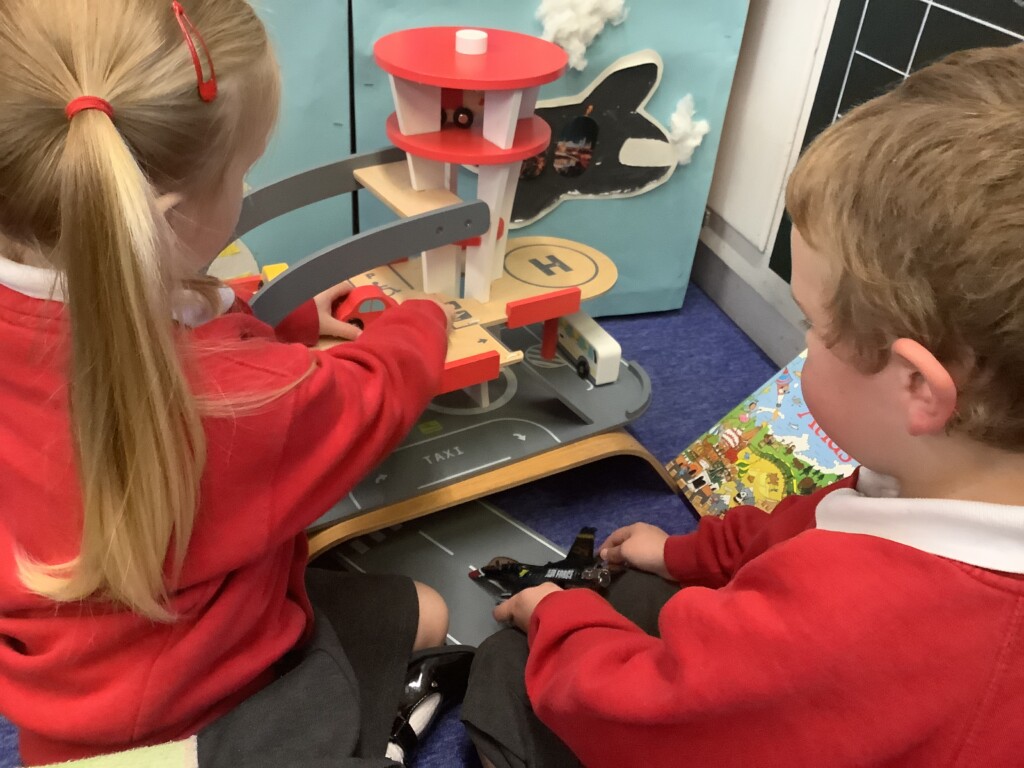
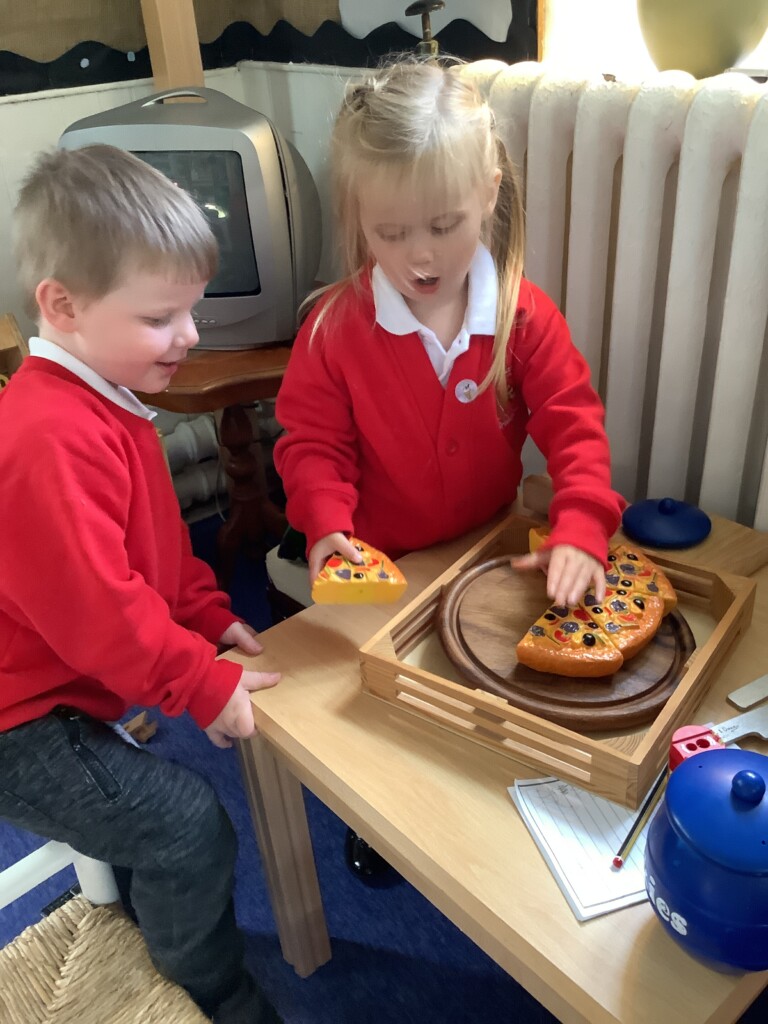
Children learn through play, by adults modelling, by observing each other, and through guided learning and direct teaching. We carefully organise enabling environments for high-quality play. Sometimes, they make time and space available for children to invent their own play. Sometimes, they join in to sensitively support and extend children’s learning. Children in the early years also learn through group work, when we guide their learning. A well-planned learning environment, indoors and outside, is vital to the development of the whole child.
We take time to get to know children’s interests and their likes to support learning. All areas of the EYFS curriculum are followed and planned for to ensure there is a broad, balanced and progressive learning environment and curriculum. The children will learn new skills, acquire new knowledge and demonstrate understanding through the seven areas of the EYFS curriculum.
NNW Maths Hub: We are part of the DfE funded NNW Maths Hub, working alongside other schools and an Accredited Professional Development Lead to support Maths in the EYFS and in KS1.

The EYFS curriculum is based on seven areas of learning:
Prime Areas
- Communication and language
- Physical development
- Personal, social and emotional development
Specific Areas
- Literacy
- Mathematics
- Understanding the world
- Expressive arts and design
These 7 areas are used to plan children’s learning and activities. Planning for this curriculum is designed to be flexible so that a child’s unique interests are supported.
During each week, the children will work with adults to complete focused reading and maths sessions and phonics is taught from the start every day.
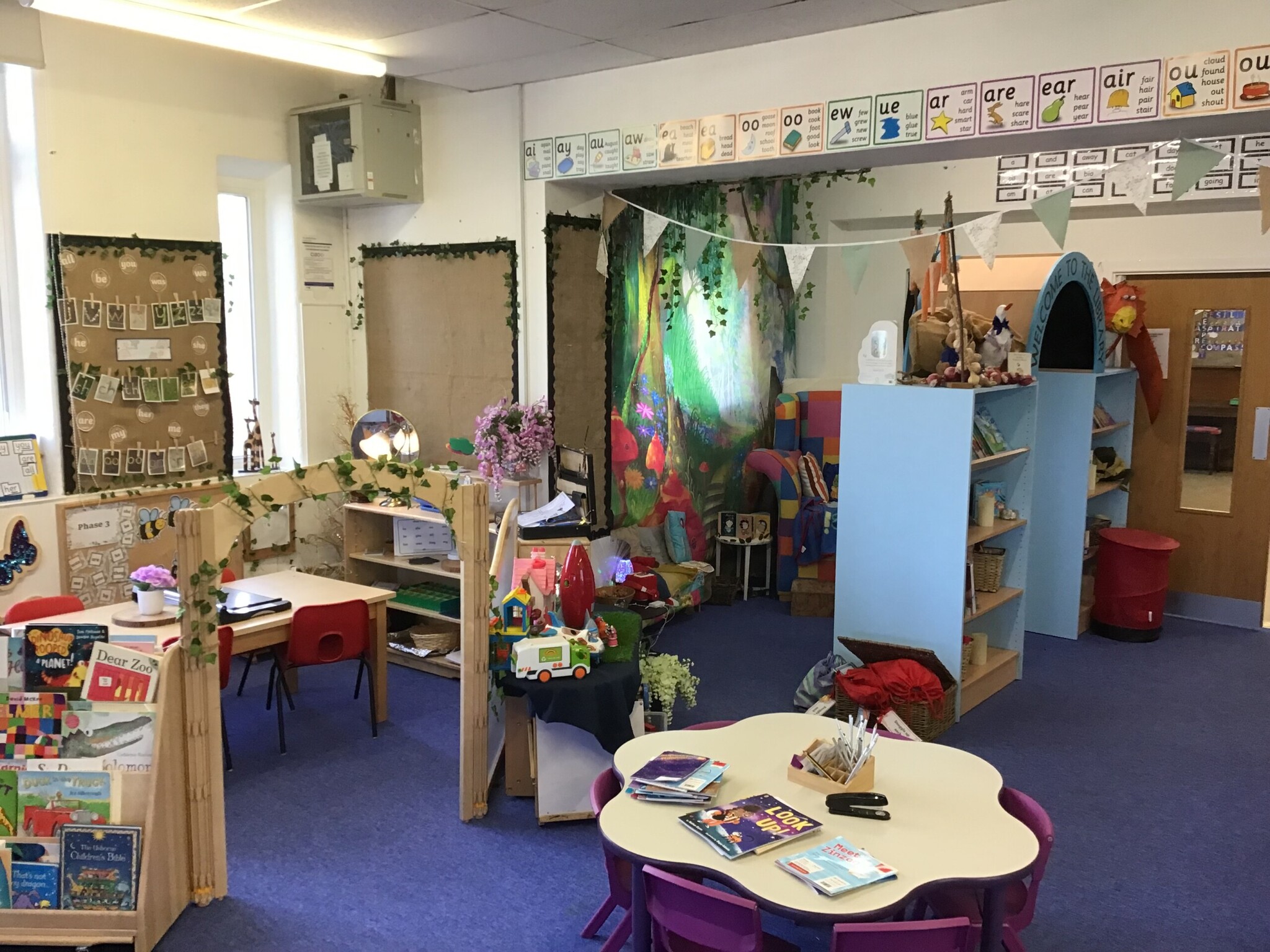
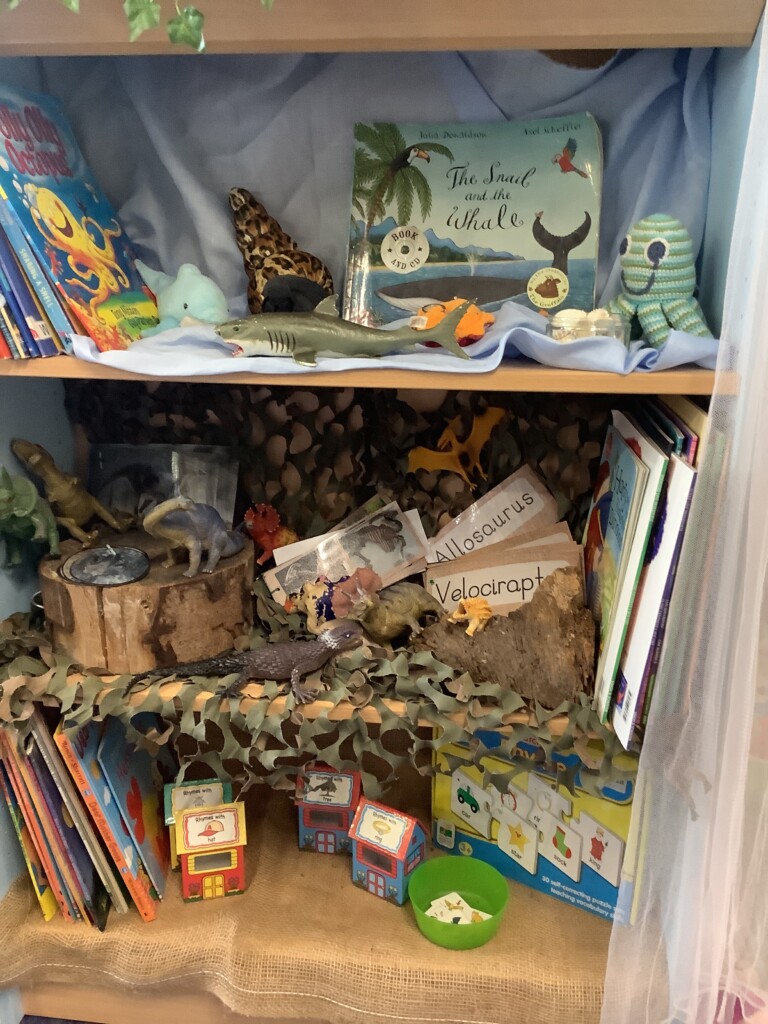
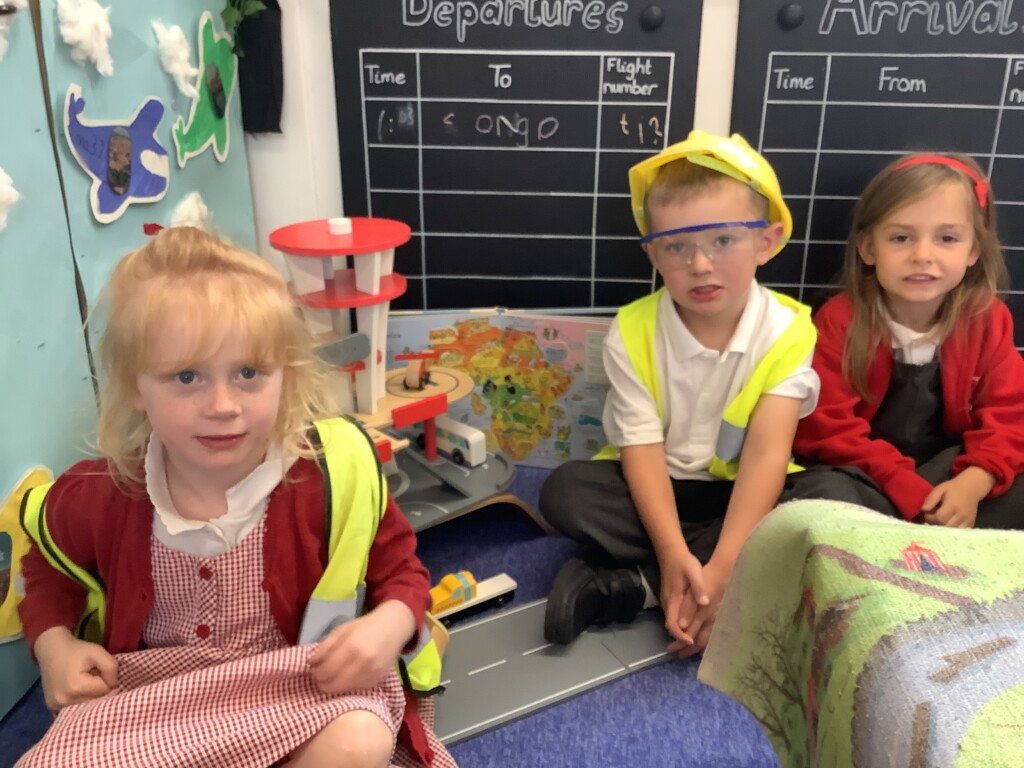
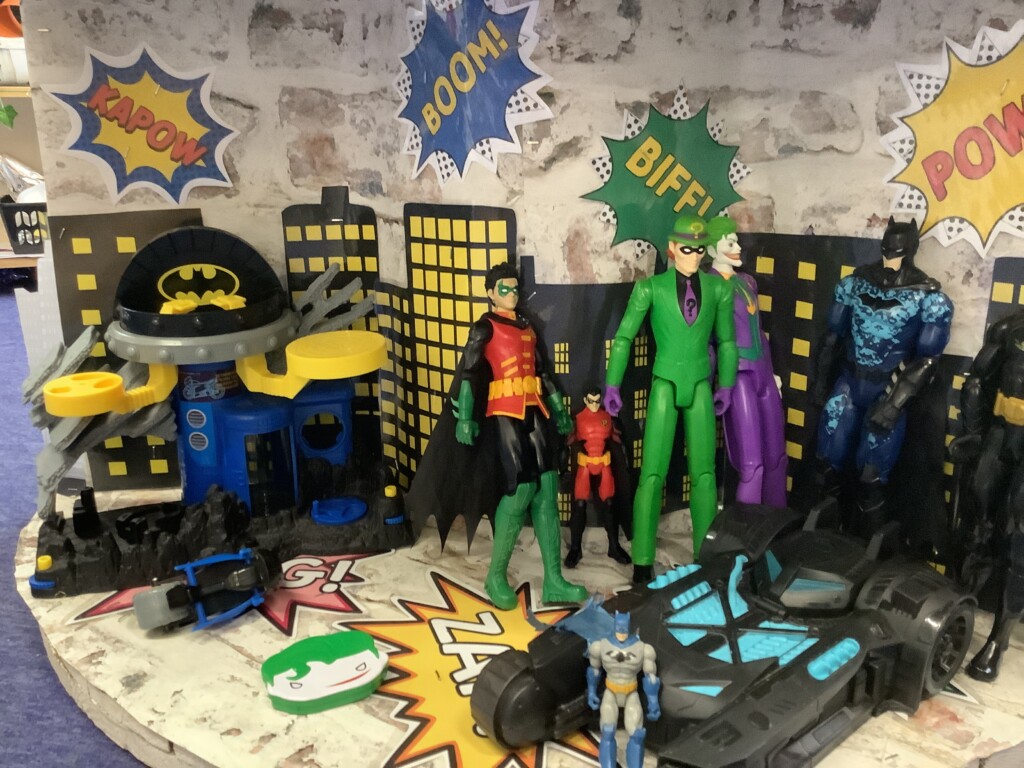
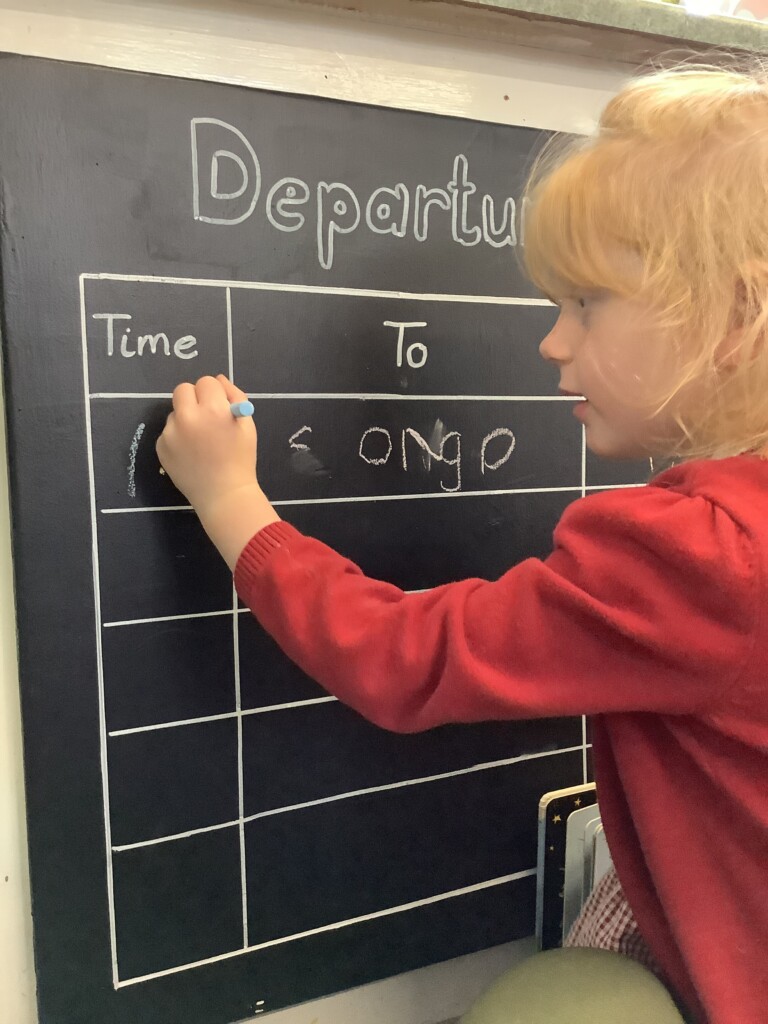
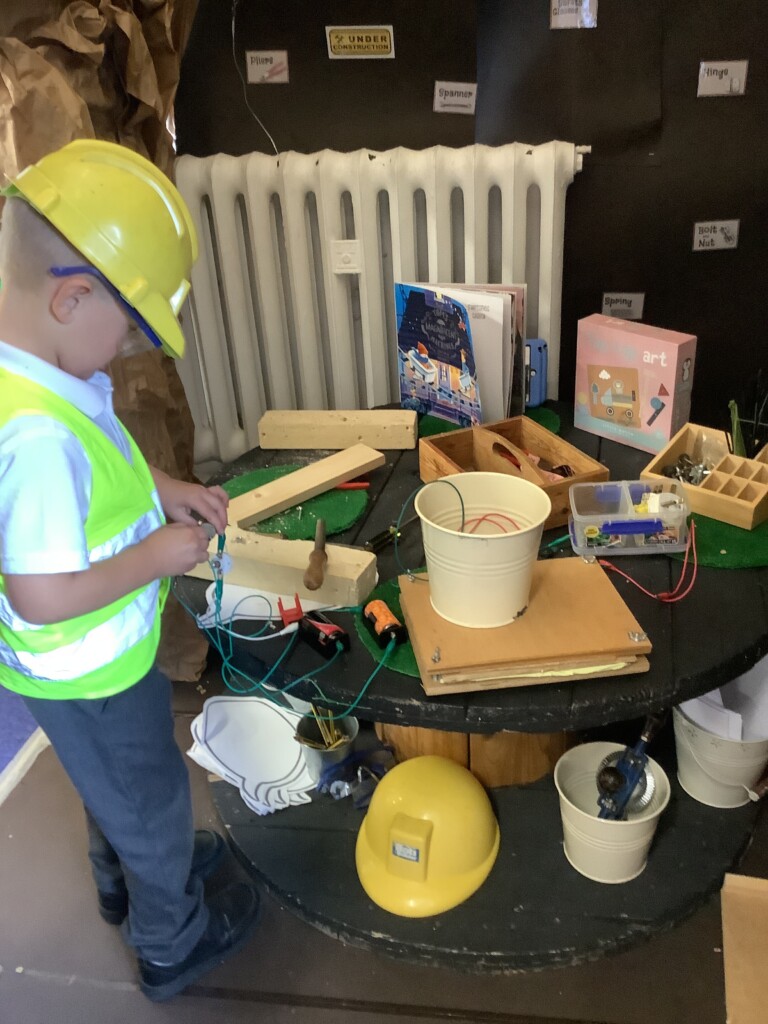
Our continuous provision is ever changing to inspire and motivate independence and seize every opportunity as a learning opportunity. Continuous provision practise and principles begin in EYFS and support children to develop key life skills such as independence, innovation, creativity, enquiry, analysis and problem solving.
During the school day, children will have an opportunity to work independently, work collaboratively with their friends and with members of staff. Daily guided activities are also planned to cover different areas of the EYFS curriculum and allow children to develop their next steps in learning. Through observation and discussion, areas of need and next steps are identified for all children to ensure good progress is made. There are also a range of stimulating and engaging activities which the children can access independently and a variety of opportunities for child-initiated play.
Staff in the EYFS make regular observations of the children’s learning to ensure their next steps are met. These are collected in each child’s online Seesaw journal or paper learning journey. We regularly assess where the children are, using ‘Development Matters’ and then ensure our planning, adult interaction and learning environment; including continuous provision, support children to reach their next steps. We will include interventions for groups or individuals if and when necessary.
The timetable changes throughout the year to take into consideration the changing needs of the children. This means the teacher can systematically check for understanding, identify and respond to misconceptions quickly and provide real-time verbal feedback which results in a strong impact on the acquisition of new learning.
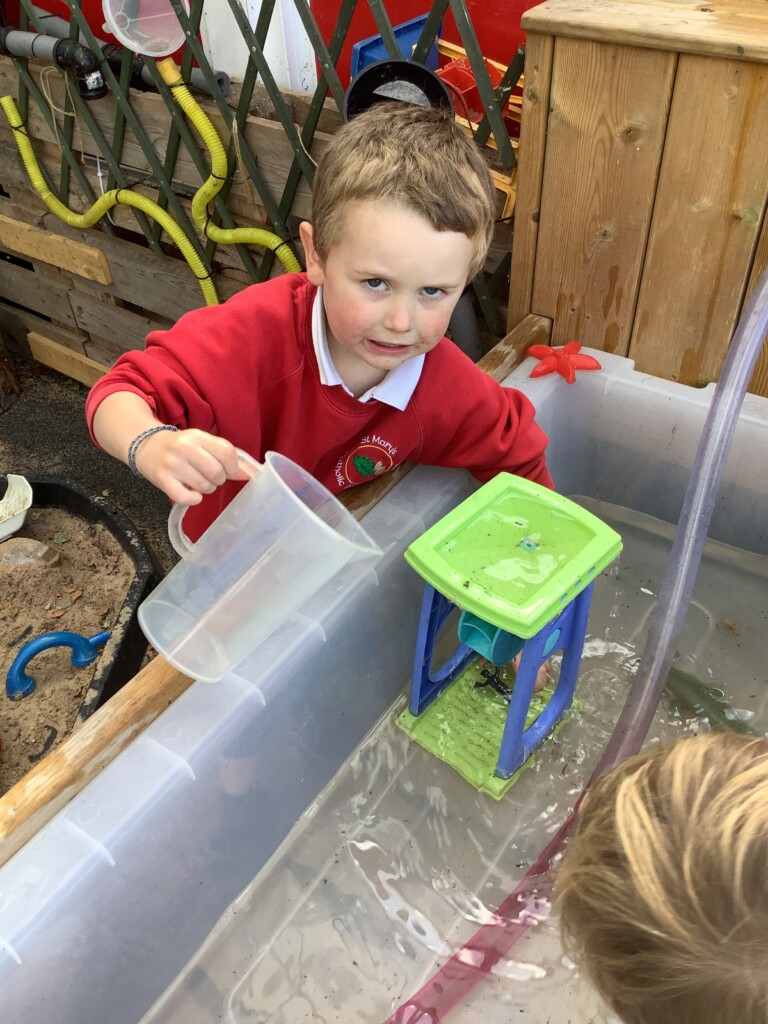
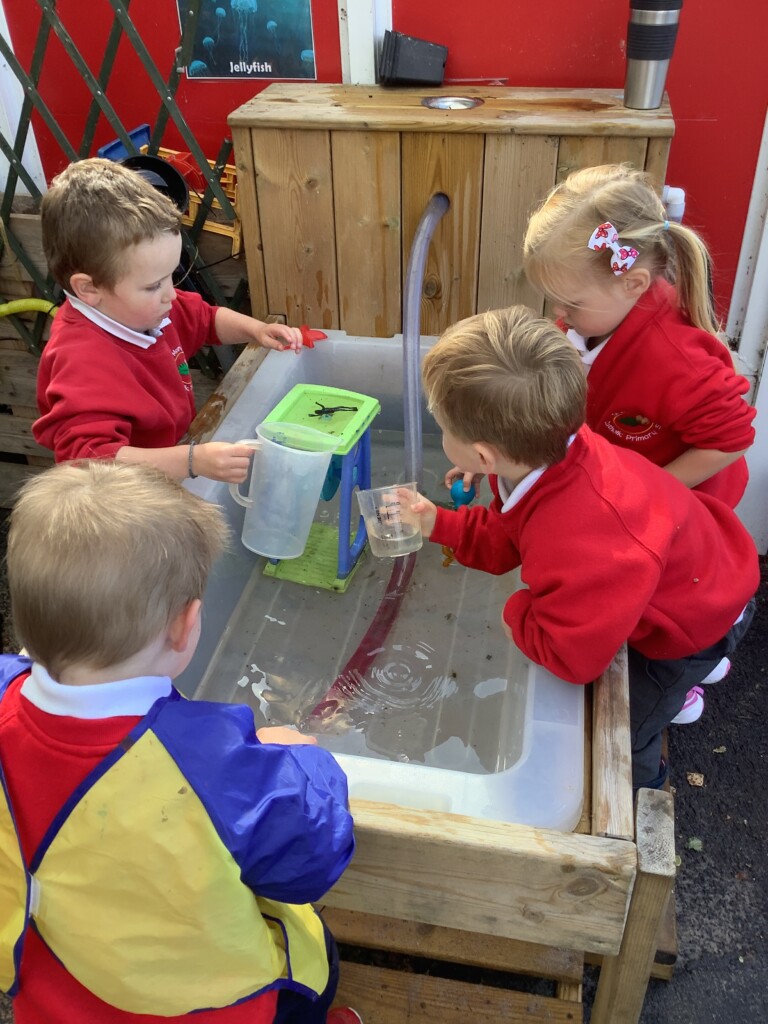
Children in EYFS learn by playing and exploring, being active, and through creative and critical thinking which takes place both indoors and outside. Our outdoor areas are used all year round and in most weather conditions.
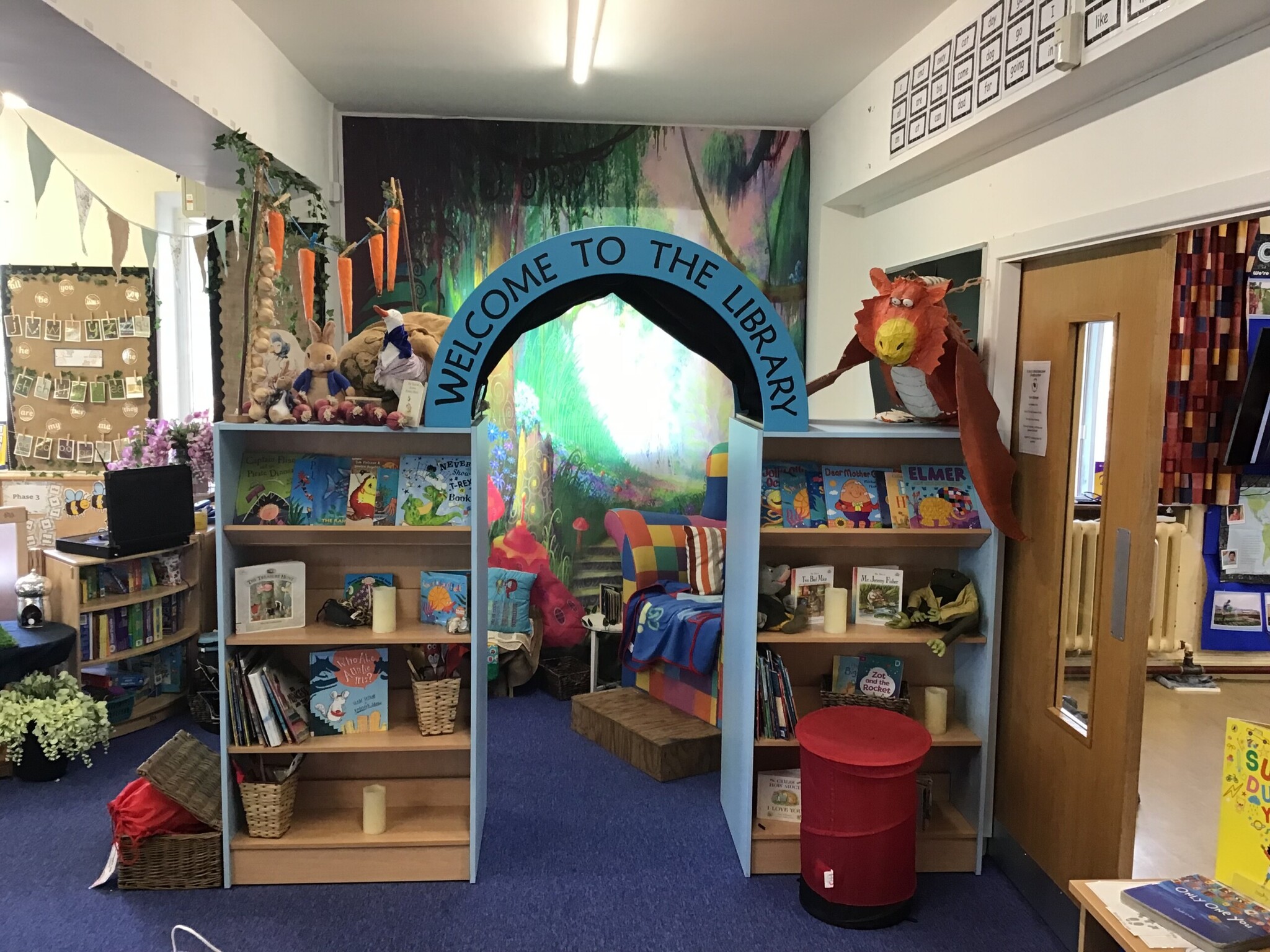
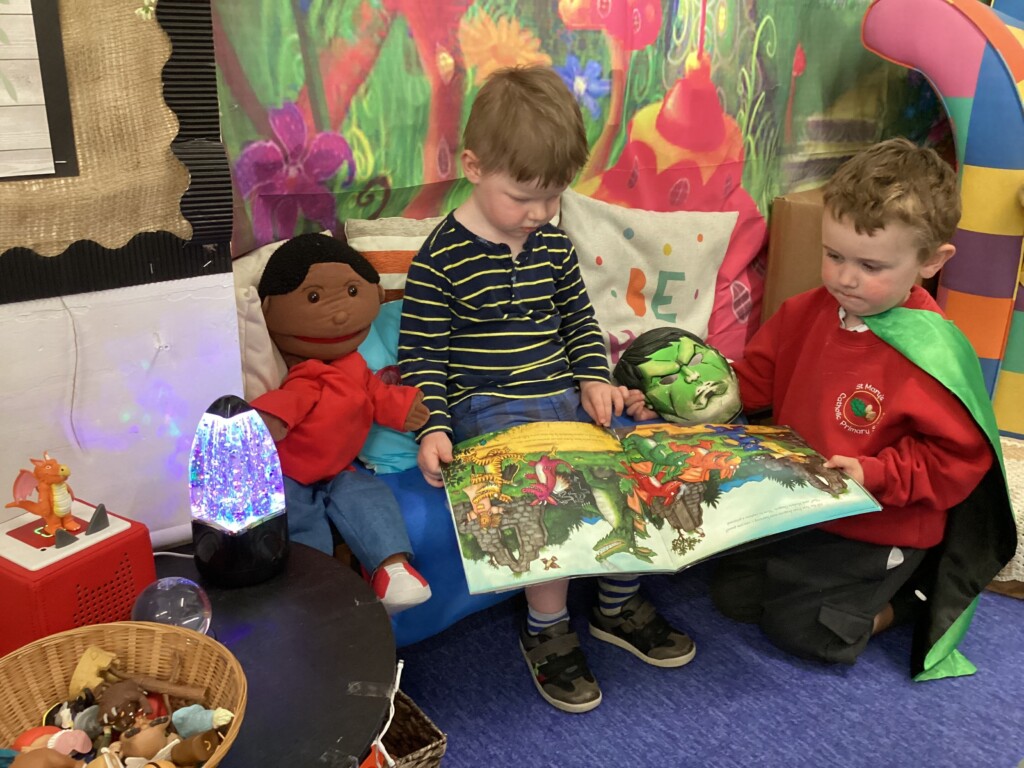
Our exciting approach to teaching phonics and early reading means children are motivated to learn and quickly move through our Bug Club books. Children have access to online Bug Club and they have a love of reading from an early age, using our indoor and outdoor book areas and sheds. They take home books for enjoyment in a ‘snuggle up sack’ and enjoy being part of author visits and other reading initiatives.
Characteristics of Effective Learning
- Playing and Exploring - children investigate and experience things, and have a go;
- Active Learning - children concentrate and keep on trying if they encounter difficulties, and enjoy achievements;
- Creating and Thinking Critically - children have and develop their own ideas, make links between ideas and develop strategies for doing things.
Impact
Baseline (RBA)
Prior to children starting, staff spend time speaking to the child’s parents, previous settings and read previous learning journey’s to gain an understanding of the whole child and where they are at. During the first half term, all staff use ongoing assessments, observations and conversations with the child to develop a baseline assessment. This identifies each individual’s starting points in all areas so we can plan experiences to ensure progress. The following baseline assessments are also carried out.
The RBA (Statutory Reception Baseline Assessment)
This assessment focuses on ‘Language, Communication and Literacy,’ and ‘Mathematics.’ The purpose of this is to show the progress children make from Reception until the end of KS2.
NELI (Nutfield Early Language Intervention)
NELI is an evidence-based oral language intervention for children who show weakness in their oral language skills and who are therefore at risk of experiencing difficulty with reading. The assessment informs us if the child is at expected for their age or requires intervention from trained NELI practitioners.
Continuous Observations and Interactions
All ongoing observations are used to inform weekly planning and identify children’s next steps. We use a ‘feeding forward’ weekly map to prepare any enhancements within the environment and further learning and development.
This formative assessment does not involve prolonged periods of time away from the children and excessive paper work. Practitioners draw on their knowledge of the child and their own expert professional judgements through discussions with other practitioners, photographs and physical examples such as a child’s drawing / making. Wow moments are recorded via the child’s personal Seesaw account or in their individual learning journey.
Assessment
Phonic assessments are carried out using our termly phonics tracker and individual phonics booklets quickly identify children who are not making expected progress or at risk of falling behind. Our aim is for children to ‘keep up’ rather than ‘catch up’ where possible.
Termly assessments for all 7 areas of the curriculum are completed three times per year and shared with parents.
In Summer Term 2, the EYFSP is completed where teachers judge whether the child has met each of the ELG’s. They will be assessed as either ‘emerging’ or ‘expected.’ Whilst there is no judgement to state if a child is exceeding beyond an ELG, teachers, have a duty to provide a narrative for both parents and the Year 1 teacher.
Children achieve well and staff have excellent knowledge of each child for a smooth transition to Year 1. The core and foundation subjects are carefully planned and our small class sizes mean that children from EYFS are nurtured throughout their whole school life by a team of highly skilled staff.
Parental support and engagement is excellent and 100% report they are happy and feel well support by school. A high percentage of children reach a good level of development (GLD) by the time they leave EYFS.
Children have high aspirations and have a ‘can-do’ approach and self-belief.

Mrs Alexandra Byrne
EYFS Teacher
My name is Mrs Byrne and I’m the EYFS class teacher here at St. Mary’s Catholic Primary School. I love teaching in EYFS and remember saying that I wanted to be a teacher when I was in primary school! I am a huge fan of reading so we find lots of time for stories as it’s amazing what new words we can learn and how easily we can get lost in a book! I absolutely adore maths too and love Numberblocks! We use it to help us learn about numbers. Teaching in EYFS is wonderful because our author studies and PLOD planning mean that the children have a voice in their learning.
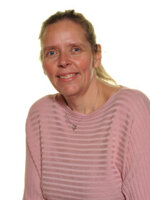
Mrs Gornall
EYFS Teaching Assistant
We are so lucky to have the wonderful Mrs Gornall in our class! She adores reading, singing, baking and making things with us. Mrs Gornall is also always ready with a song, smile and a way to make us giggle. She is amazing at helping us learn and we love having her.
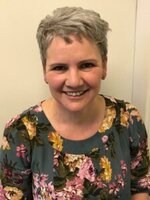
Mrs Thornton
EYFS Teaching Assistant
The lovely Mrs Thornton joins our class in the afternoons. She loves reading and doing arts and crafts with us.
Below is the suggested planned topics for EYFS. As children learn best when they are motivated and engaged, we plan with them using Potential Lines of Development (PLOD) planning. This is to ensure that we listen to their ideas and follow their interests and may mean that the topic map below is subject to change. Each topic is also linked to an author study.
.png)
Reading
As a school, we expect all children to read their reading book at home on a daily basis. Pre-school will bring home a book for pleasure, reception will initially bring home a book without words and with then progress to books that include phonetically decodable words using the sounds that have been taught in phonics (and may include tricky words which have also been taught). Please remember to record the children’s reading in their reading record so that the children can earn stickers on their reading bookmark and dojos! We also encourage you to share your love of reading with the children too through bedtime stories, library visits and listening to audiobooks in the car and at home!
In school, we share our love of reading through making time to share stories on a daily basis sharing books from our homes and school. We vote for our favourite book each day and each week have a ‘surprise reader’. This might be a parent, grandparent or member of our school or church community who shares a favourite childhood book with us. We are also lucky to have our own reading dog, Bruce, who visits us every month! He loves listening to stories that we read him and reading in this way really helps the children to build confidence and fluency. To top it off, we have links with Garstang library who come and visit us for assemblies and we also take a trip to the library too!
Also, on a Friday, all children in Reception will bring home a ‘Snuggle up Sack’ with a reading book. This is another opportunity to share a love of reading with your child. Find some time and a cosy corner to read to your child and enjoy the treats inside the ‘Snuggle up Sack’! It would be lovely if you could include a drawing / comment about your book in the notebook which is included in the sack. Please return these books to school by Wednesday.
Spellings
During the summer term, weekly spellings are set for reception. These are linked to the letters and sounds taught during phonics that week. Spellings will be sent home on a Friday in the children’s learning logs and are tested the following Friday. Please make time each day to practice them. This should take no longer than 5 minutes each day.
For more information about phonics, Bug Club and reading at home, please follow these links:
- What is phonics?
- An Introduction to Bug Club
- How to Use the Bug Club eBooks
- Top Tips for Reading at Home
Pick and Mix
Please click the links below to access the Pick and Mix Menus which can also be found in your child’s learning log. Try to complete as many of the activities as you can and get creative! We will share learning logs and celebrate your hard work every week. Remember that you can send in photos of your homework too using SeeSaw.
Our beautiful indoor area was previously ‘The Caterpillar Room’ and we like to call our outdoor area ‘The Classroom Under the Sky’.
We are very proud of our areas and constantly look for ways to improve them, giving the the children of St. Mary’s the best possible start in their school life!
Have a look at our new classroom EYFS unit with children from the age of 3-5 years old.